To notice Ohio’s natural places is to claim them. What we document—season by season—doesn’t just record change, it binds us to it. Attention becomes attachment, and attachment becomes knowledge that grows.
Ohio Gardens
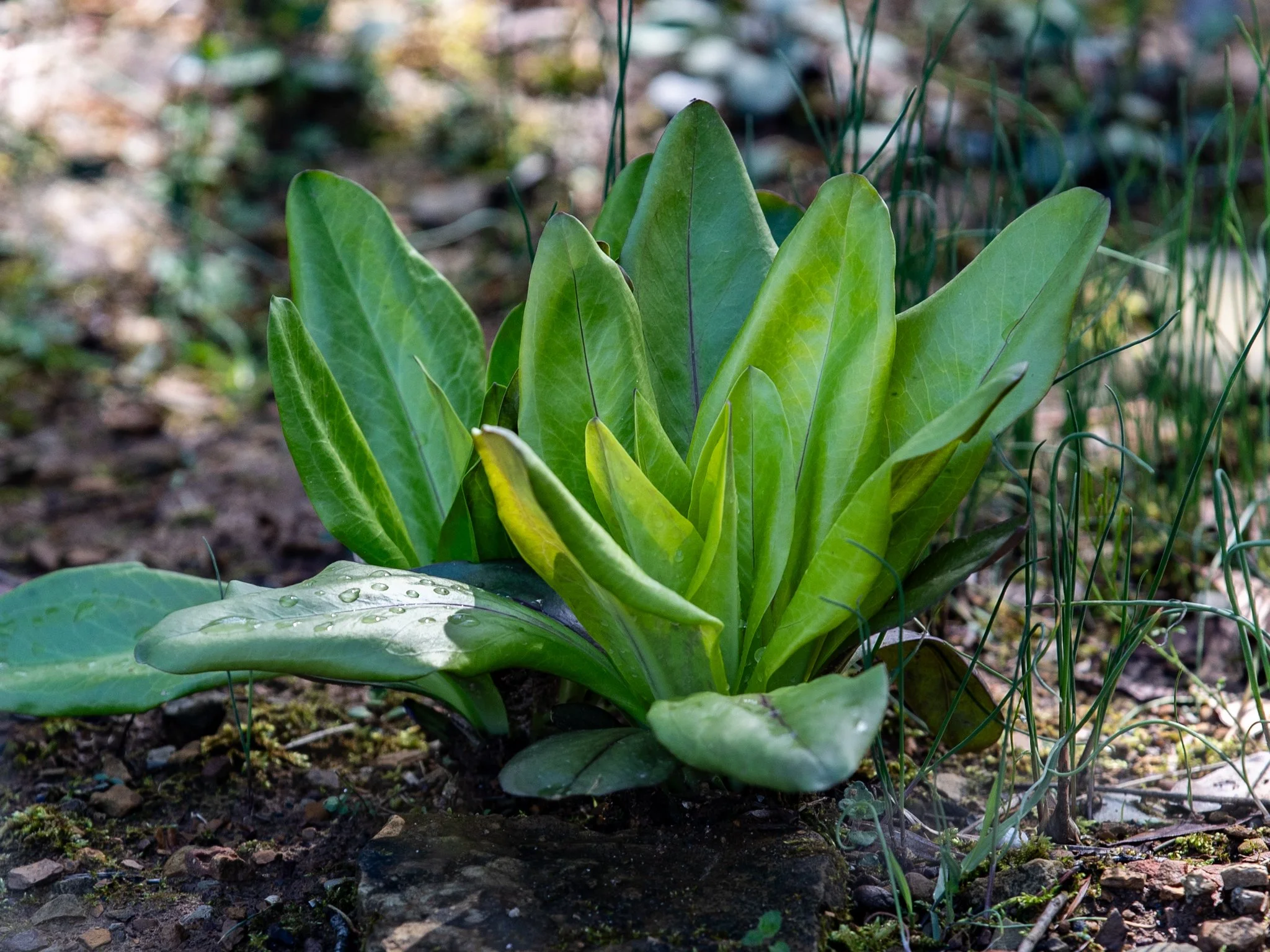
The Heritage Garden offers a unique opportunity to observe Ohio’s seasons, month by month. Each gallery follows the natural rhythm of blooms, from the first signs of spring through the fullness of summer and into the last colors before frost.
An Ohio prairie garden draws from the tallgrass landscapes that once stretched across parts of Ohio, rebuilding a system that is now rare but deeply rooted in place. Composed of native grasses and wildflowers—coneflowers, bluestem, milkweed—it supports pollinators, birds, and soil life while requiring less intervention once established. Sites like The Dawes Arboretum and Battelle Darby Creek Metro Park reflect how these plantings reconnect land to its original rhythm. Through the seasons, a prairie garden moves with a steady, grounded progression—spring emerges low and green, summer rises into height and color, fall turns to seed and warm tones as grasses take over, and winter leaves behind structure in dried stems and movement in the wind—offering a durable, living expression of Ohio’s natural character.
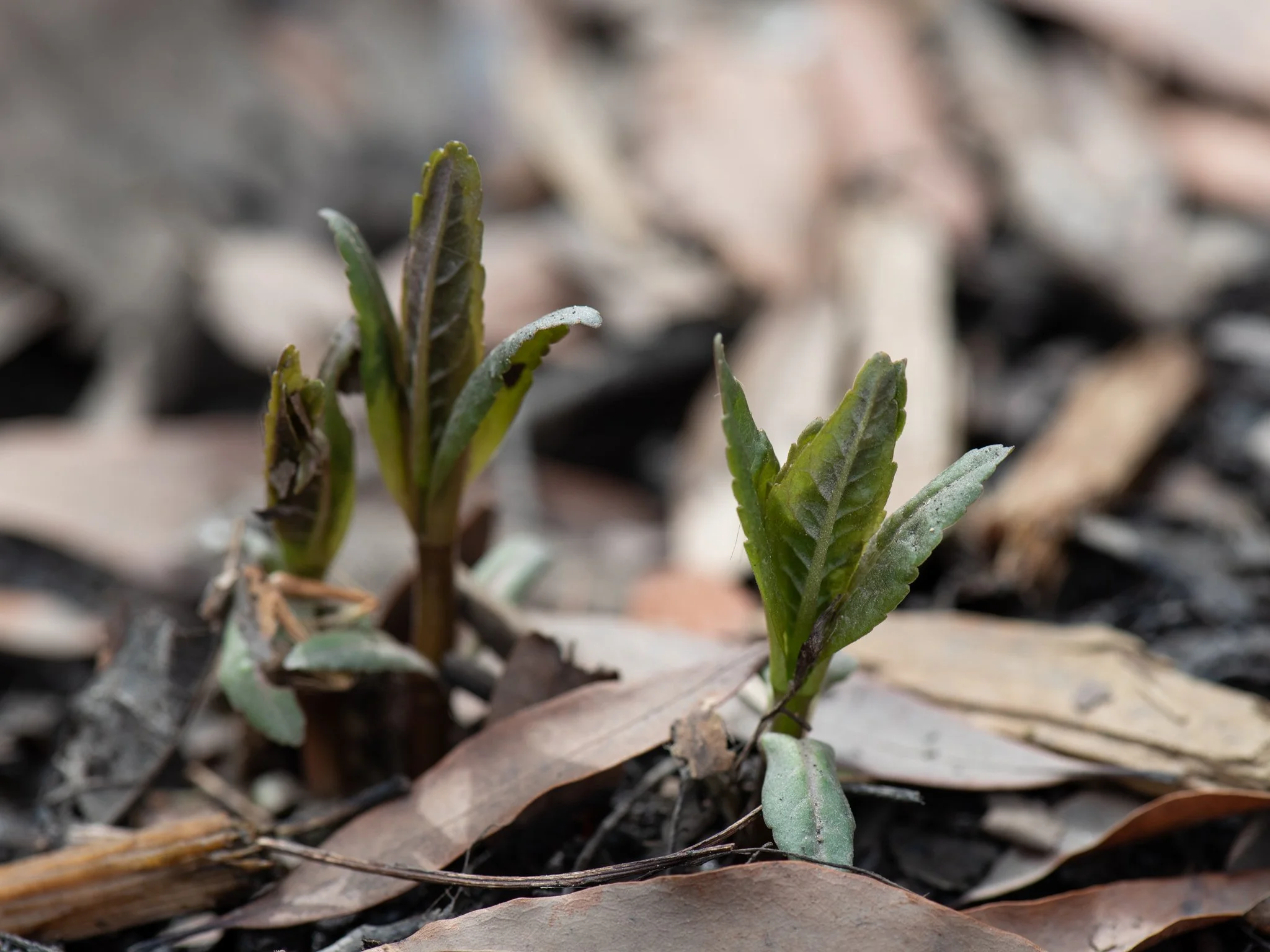
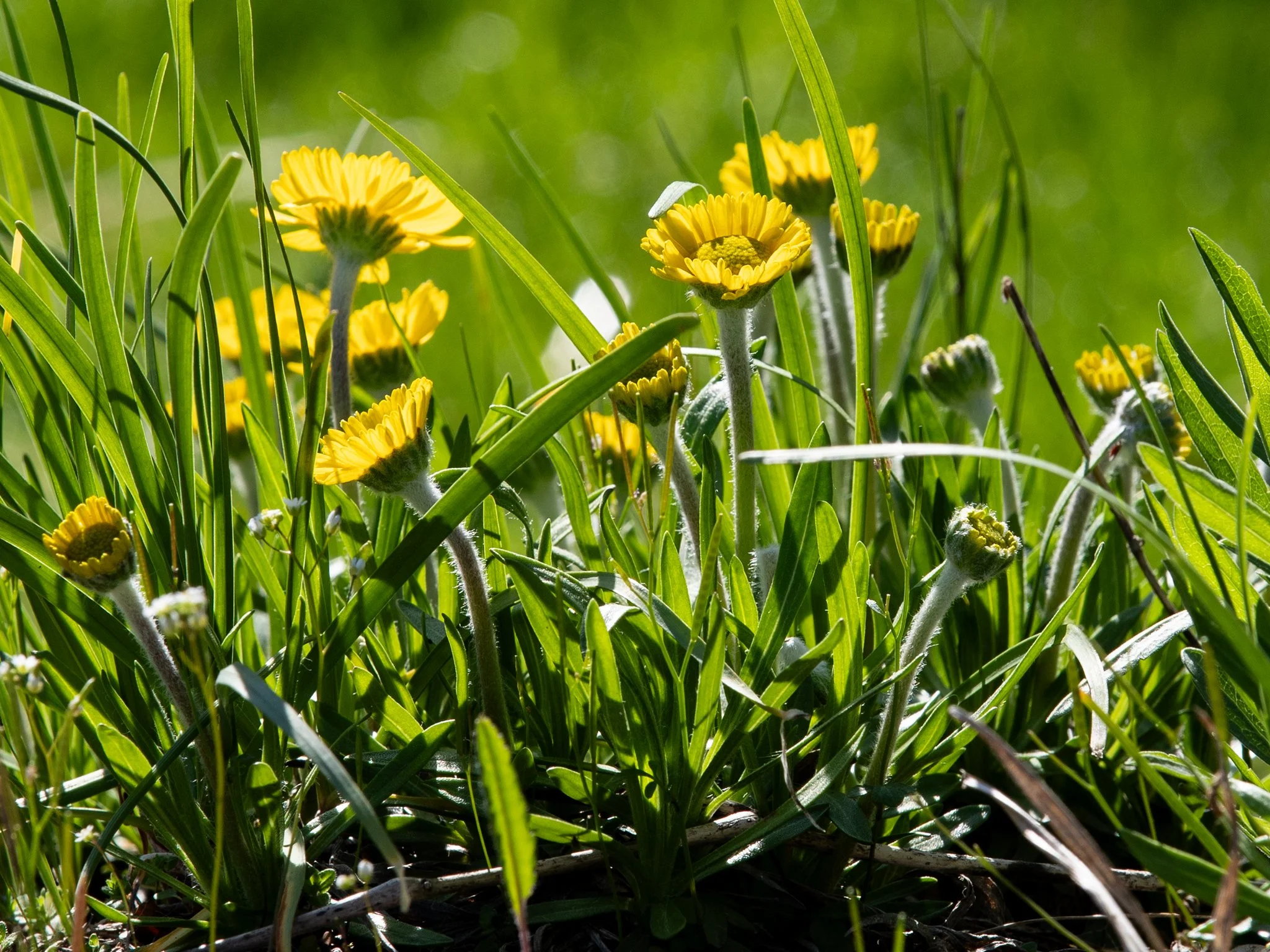
Alvar and Fen Garden sits in the quiet tension between water and land, where Ohio’s low ground gathers light and memory in equal measure. Here, the garden doesn’t announce itself—it settles in. Wet soil holds the shape of last season’s rain, and sedges lean into open air as if listening for something just beyond reach.
In spring, the fen softens first—moss brightening, shallow water spreading thin over dark earth. By summer, grasses rise in layered movement, shifting with wind rather than resisting it. Alvar, the higher ground, stays drier and more grounded, holding prairie plants that move with heat and sun instead of water. Together, they form a slow dialogue: one lifted, one submerged, both shaped by the same Ohio weather.
In fall, color drains into gold and rust, not as decline but as settling. Winter flattens everything into line and texture, exposing the structure beneath—roots, channels, old contours of water that never fully leave.
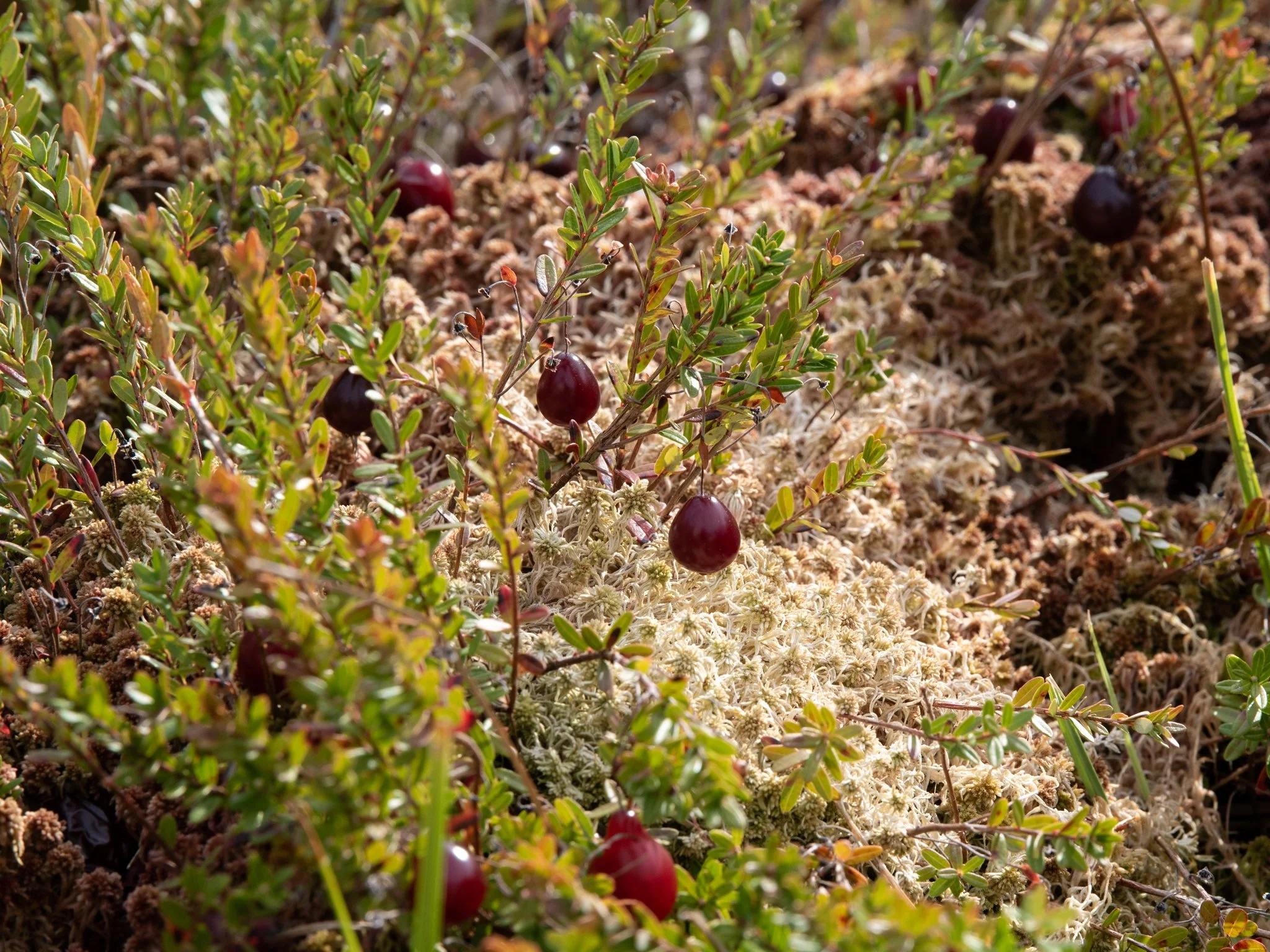
Bogs in Ohio are rare, quiet remnants of the last glaciers—acidic, low-oxygen wetlands formed by layers of sphagnum moss that support highly specialized life. Unlike more common marshes and fens, they hold unique ecological value, preserving ancient plant records while sustaining species like cranberries, orchids, and carnivorous plants that can’t easily exist elsewhere.
Spring brings small, vivid growth, summer deepens into dense green activity, fall softens into reds and browns as cranberries ripen, and winter stills the surface under ice—moving at a slower, more fragile pace that makes their presence in Ohio both uncommon and worth holding onto.
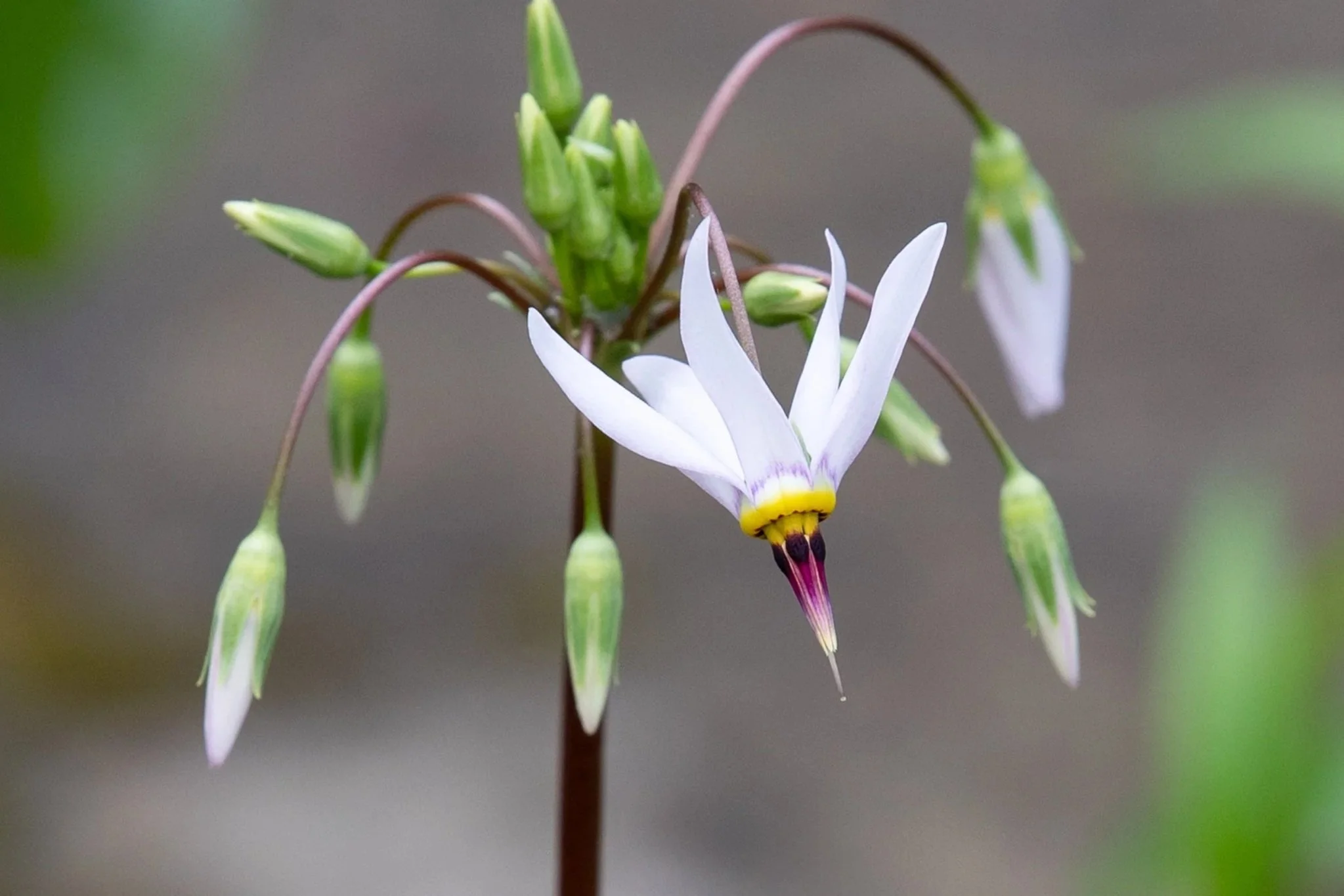
A cedar glade is less about dense cedar forest and more about openings in rocky limestone terrain where plants have adapted to survive with very little soil. Eastern red cedars cling to the edges while tough native wildflowers and grasses grow in the exposed rock. In spring and early summer, this section can feel almost miniature and ancient at the same time — low-growing plants tucked between slabs of stone, surrounded by heat-reflecting limestone.
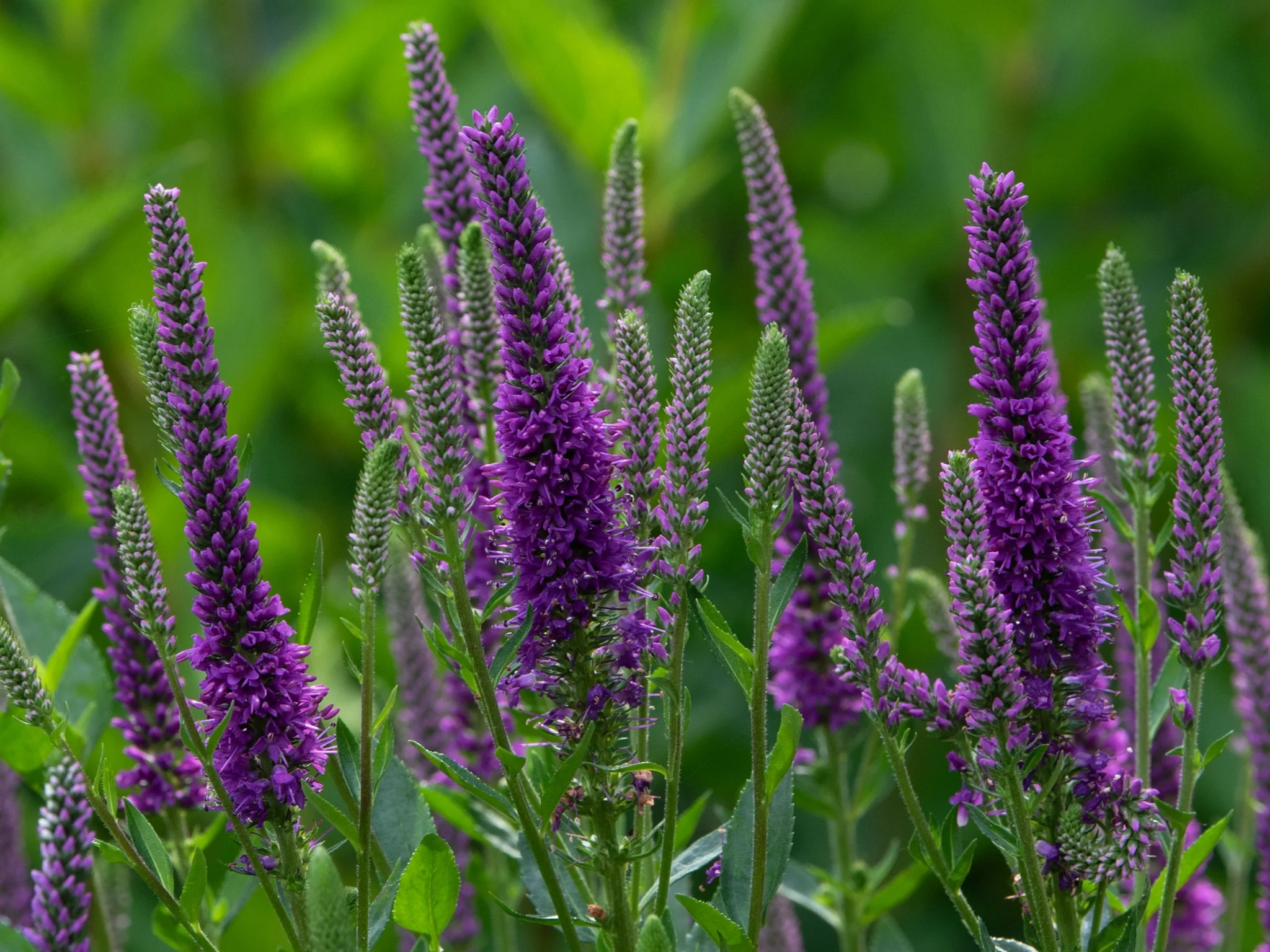
The garden is always changing. Each week, we take a closer look at the blooms, pollinators, landscapes, and quiet discoveries that shape the Heritage Garden throughout the year.