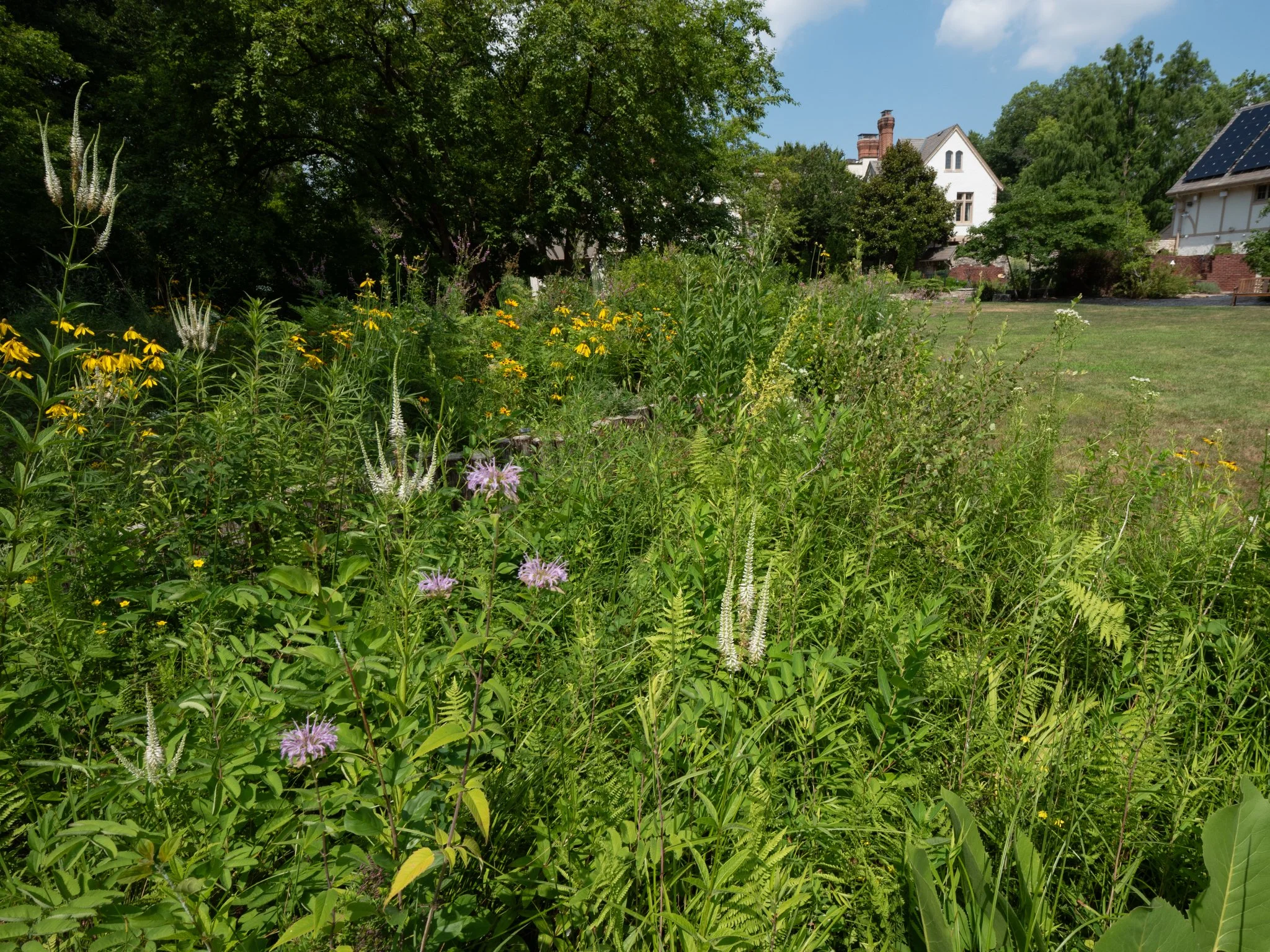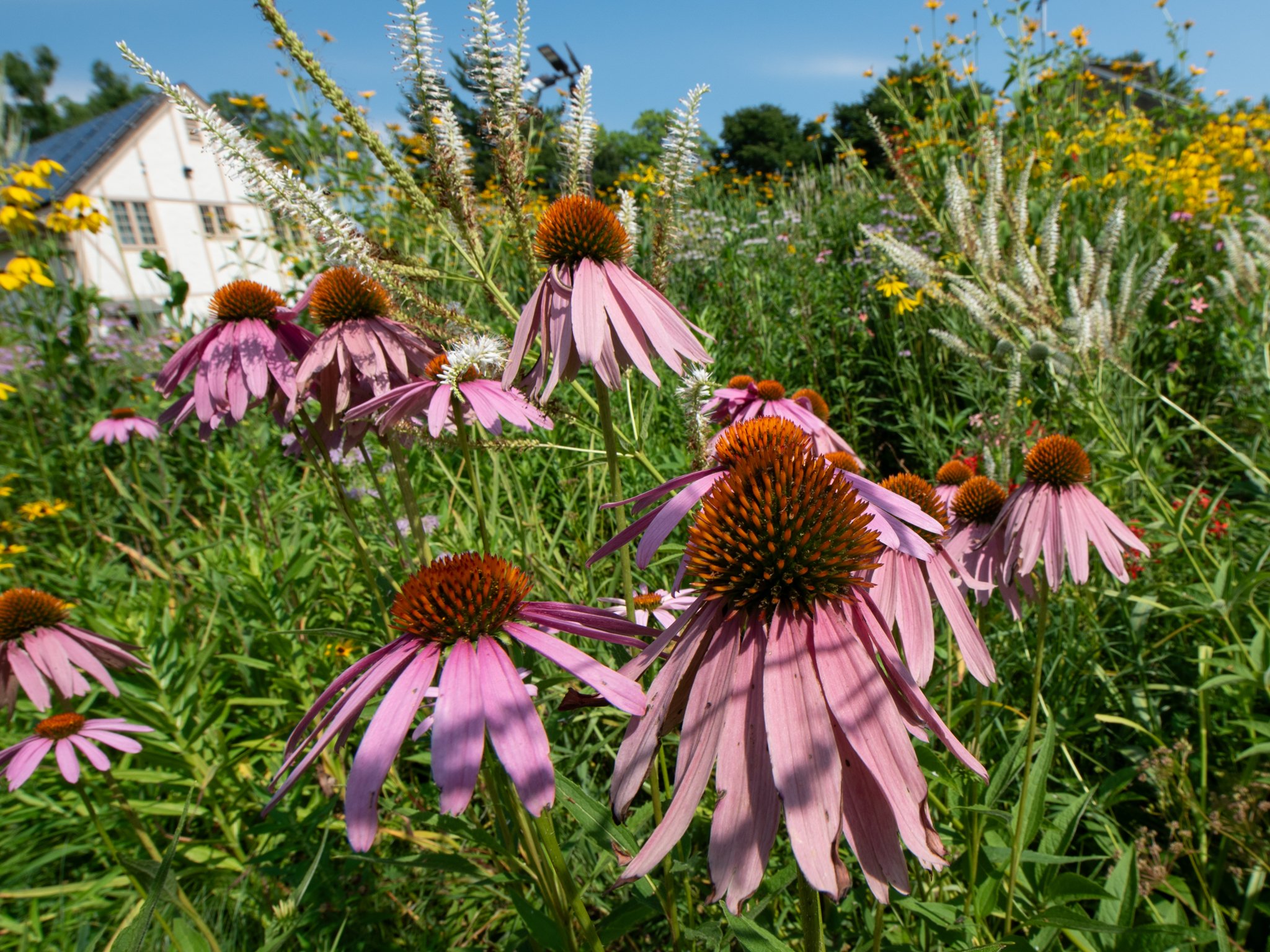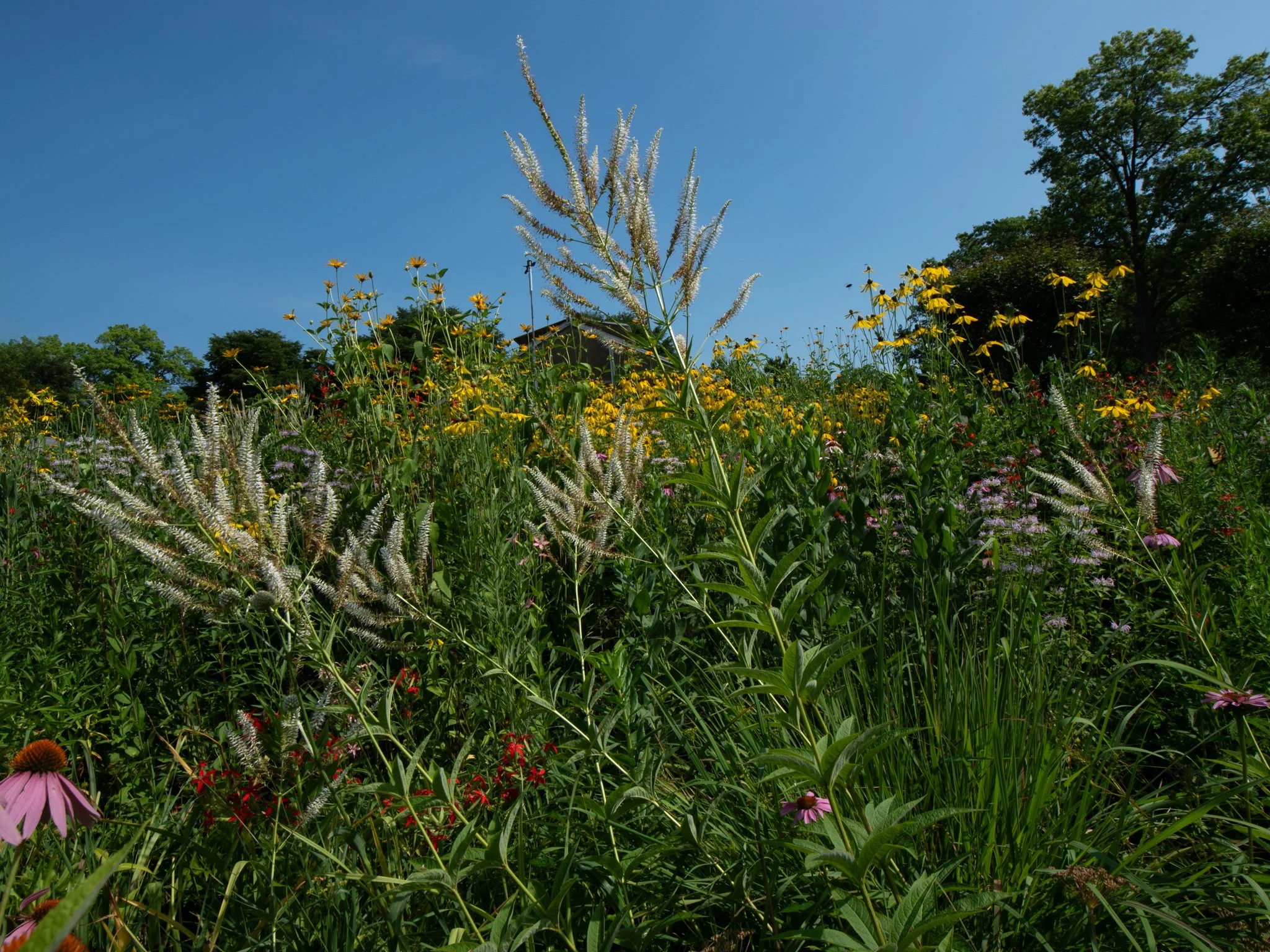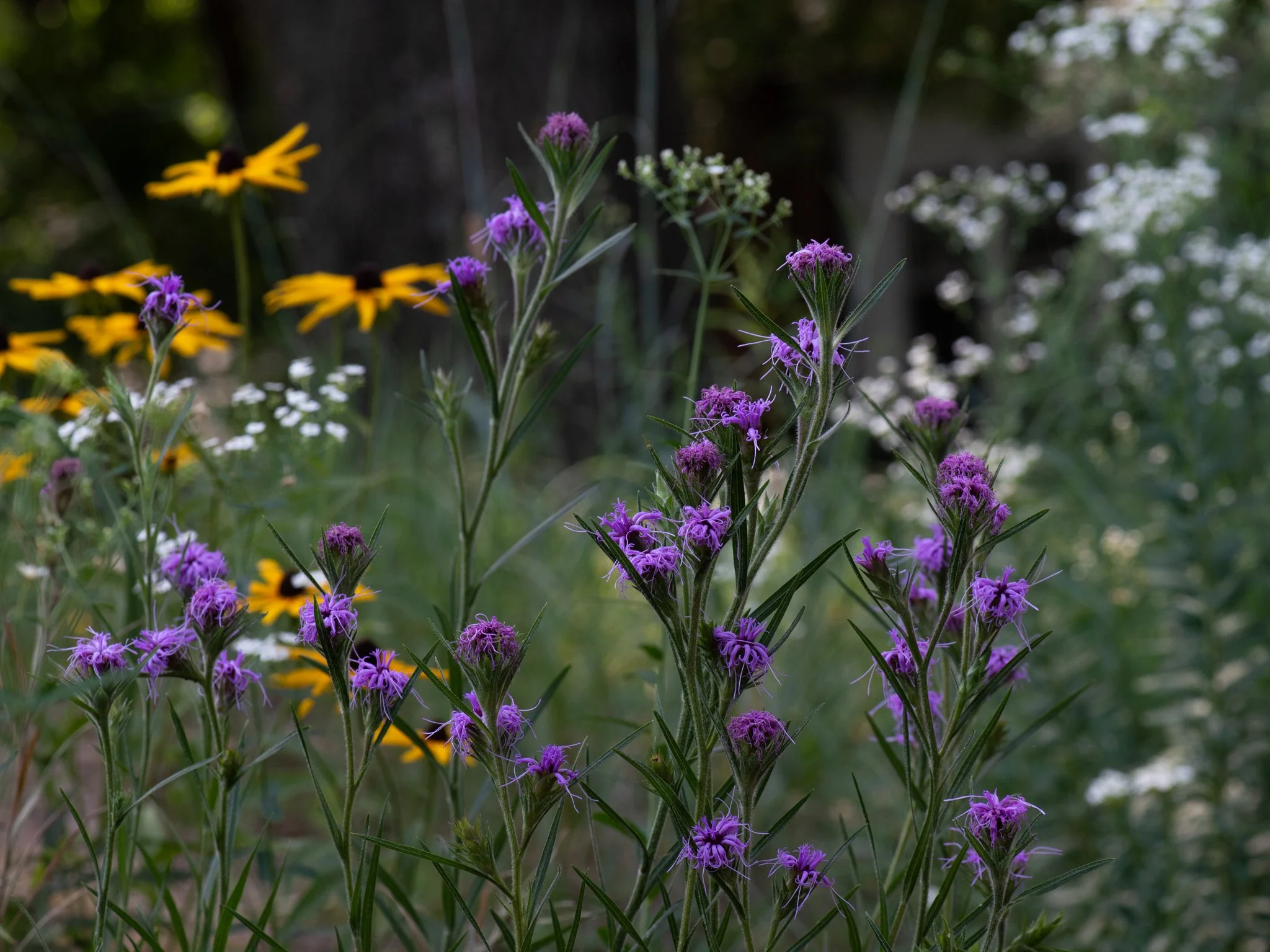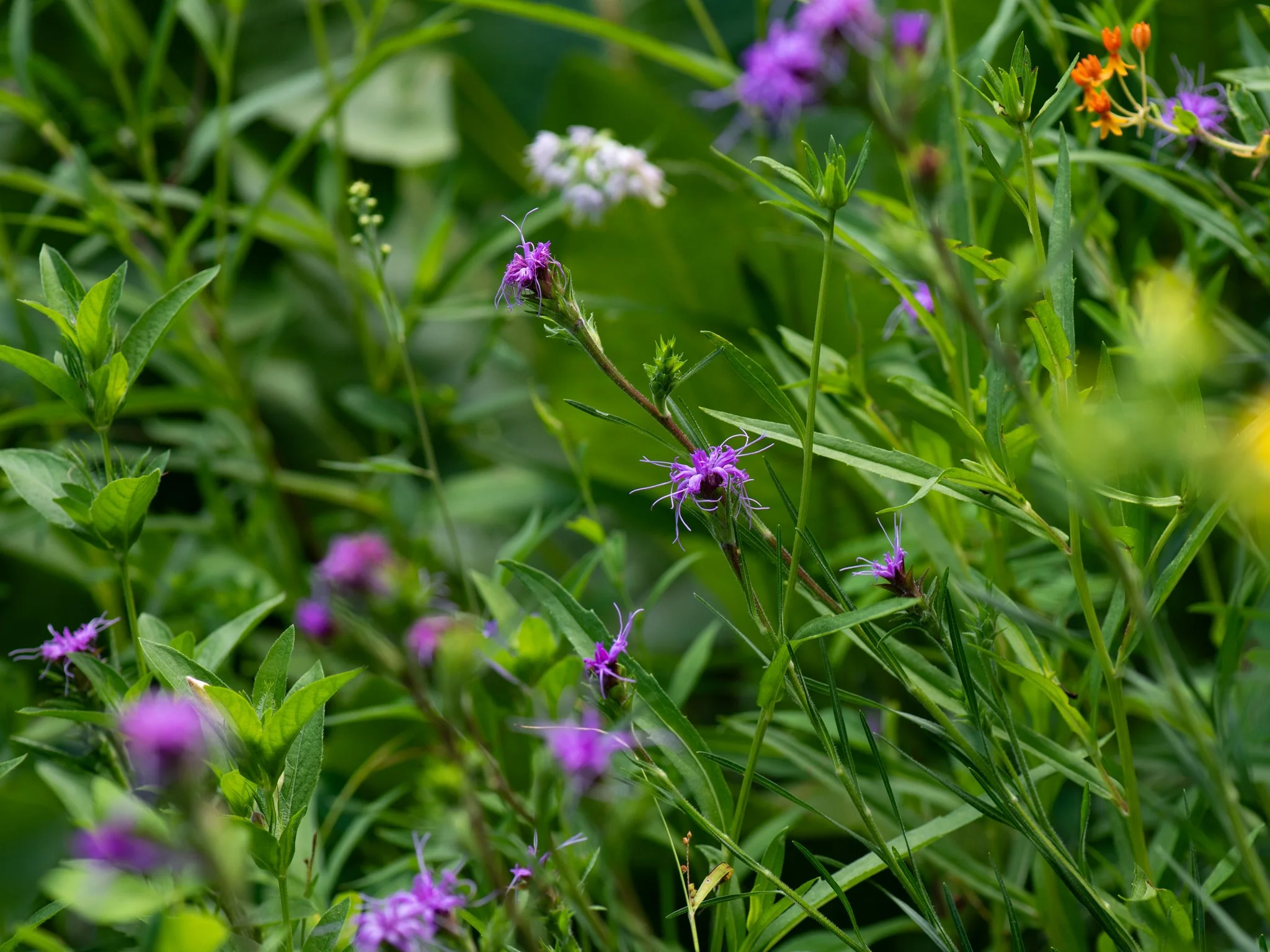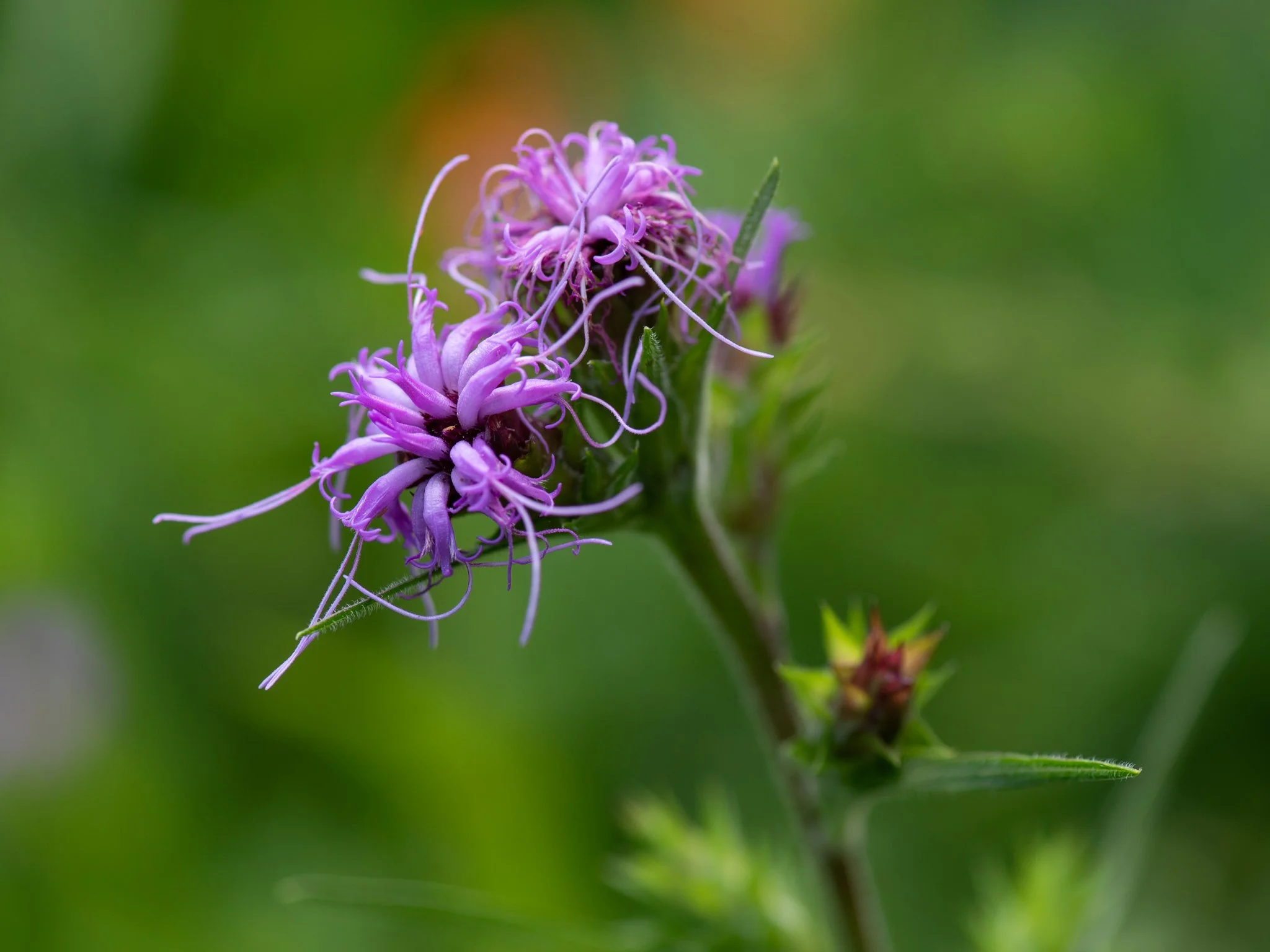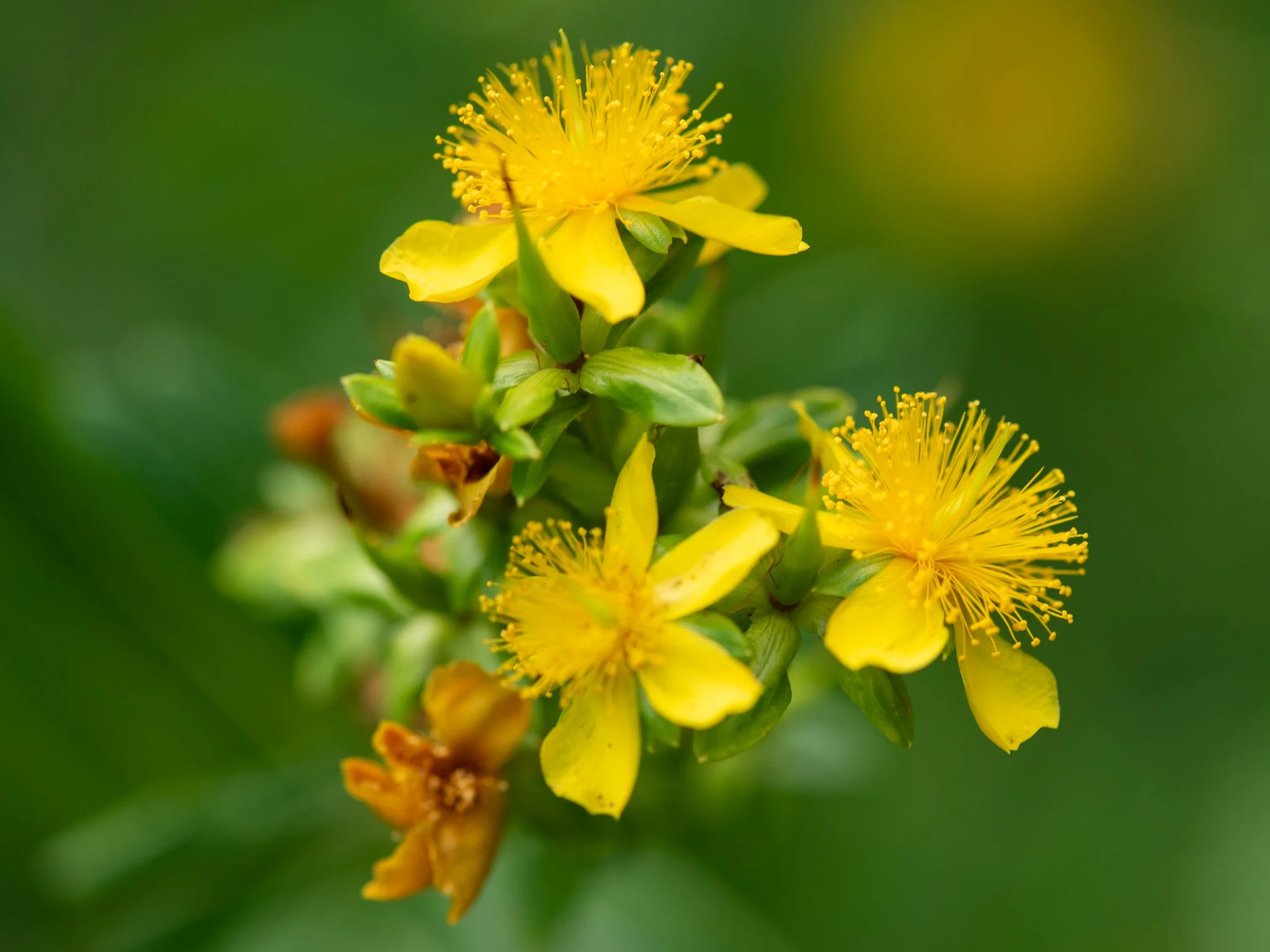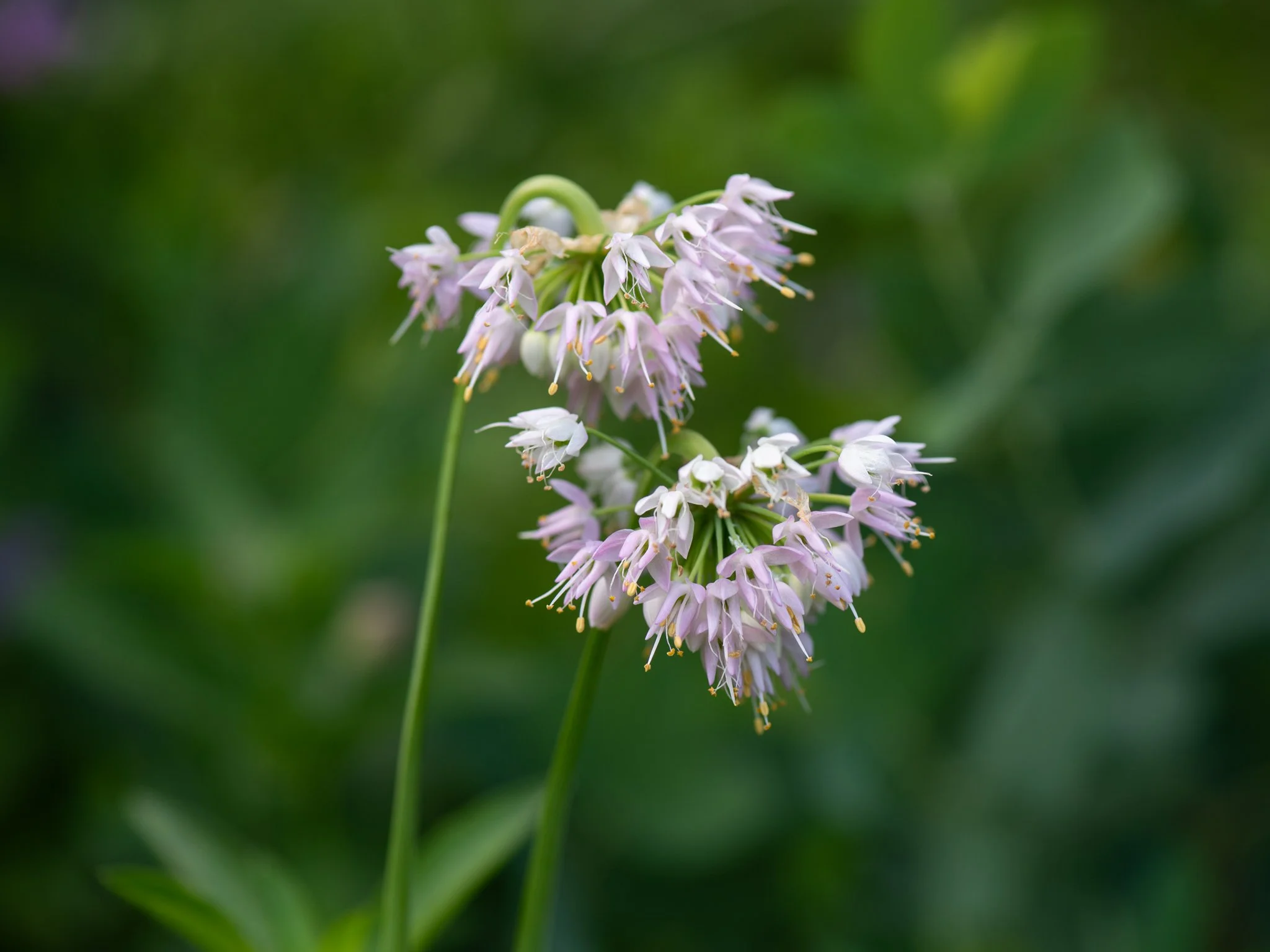
I feel like the relationship between the gardener and the garden changes in July.
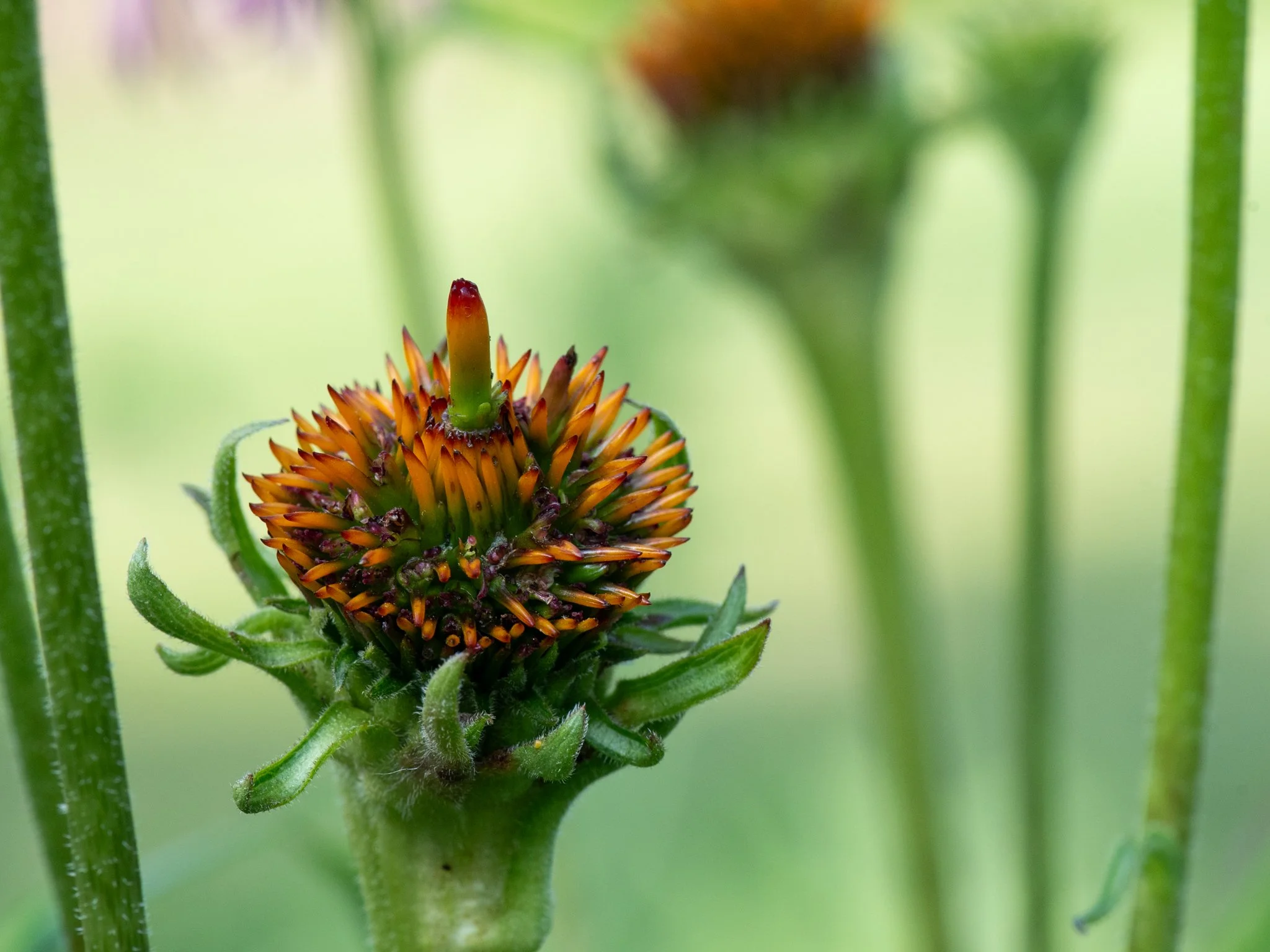
For months, every day seemed to demand something. Seeds needed planting. Shoots emerged. Stakes driven. Weeds pulled. Every new leaf was watched with hope, every setback met with intervention.
But now, the garden has found its own momentum.
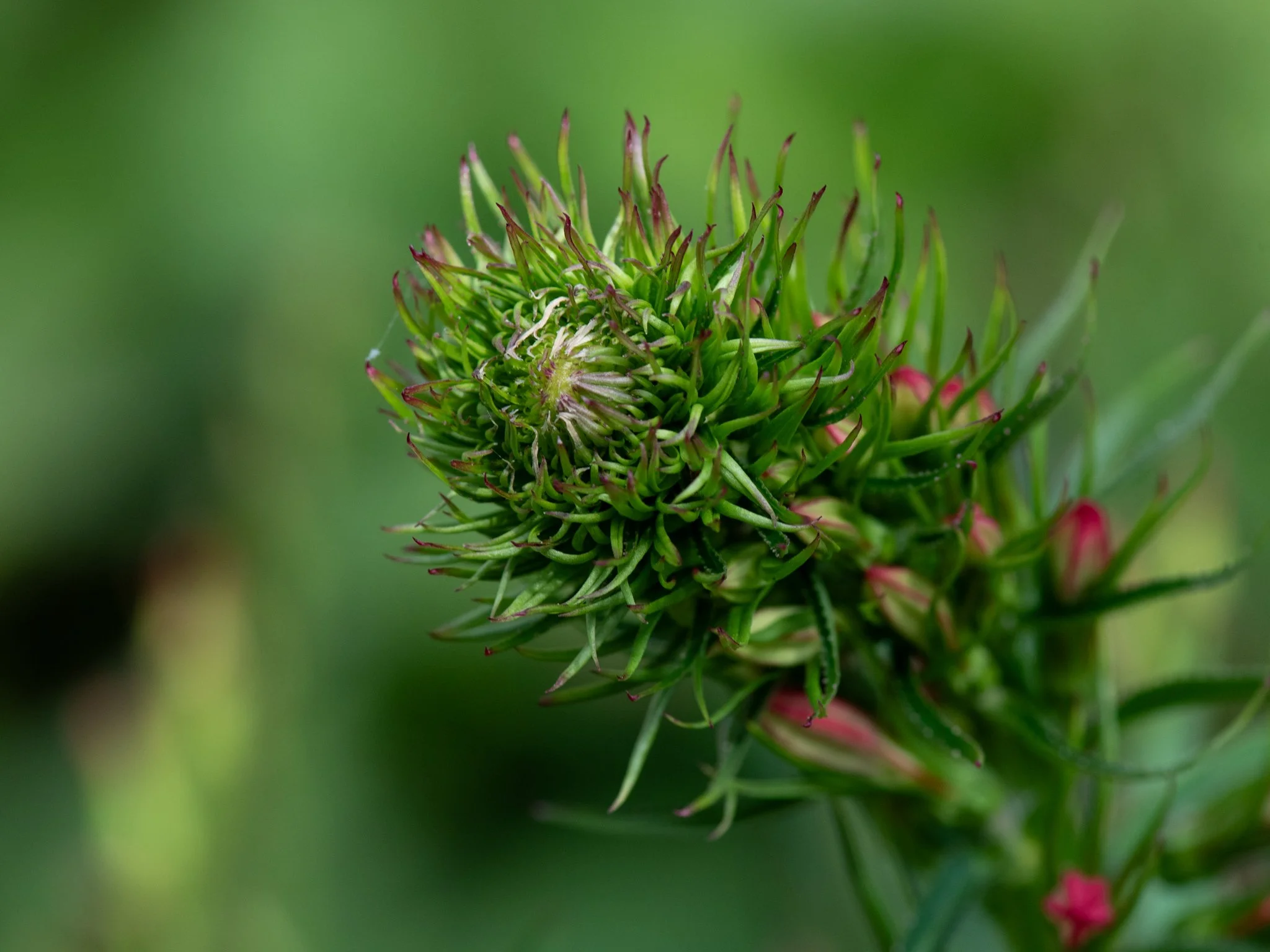
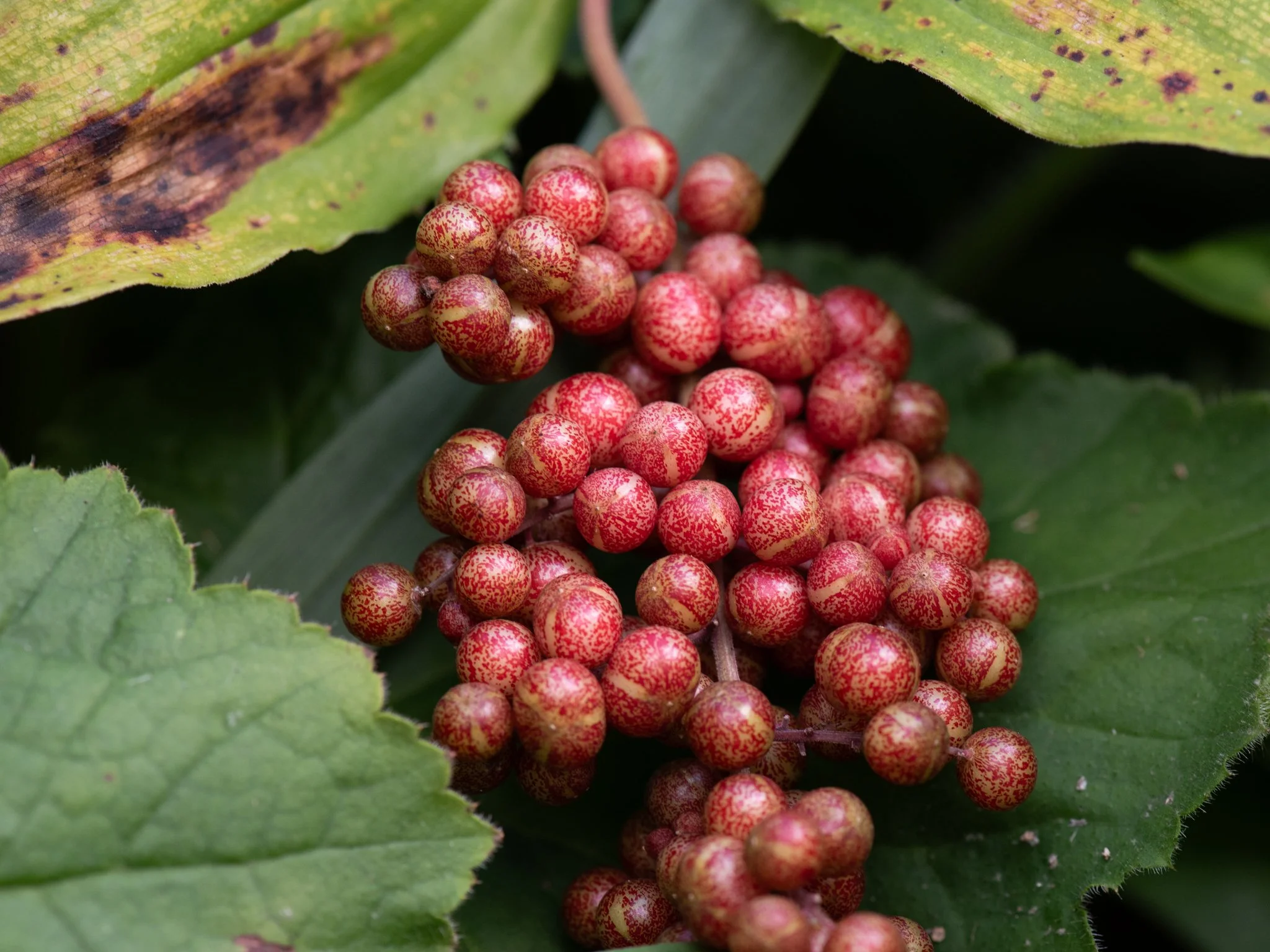
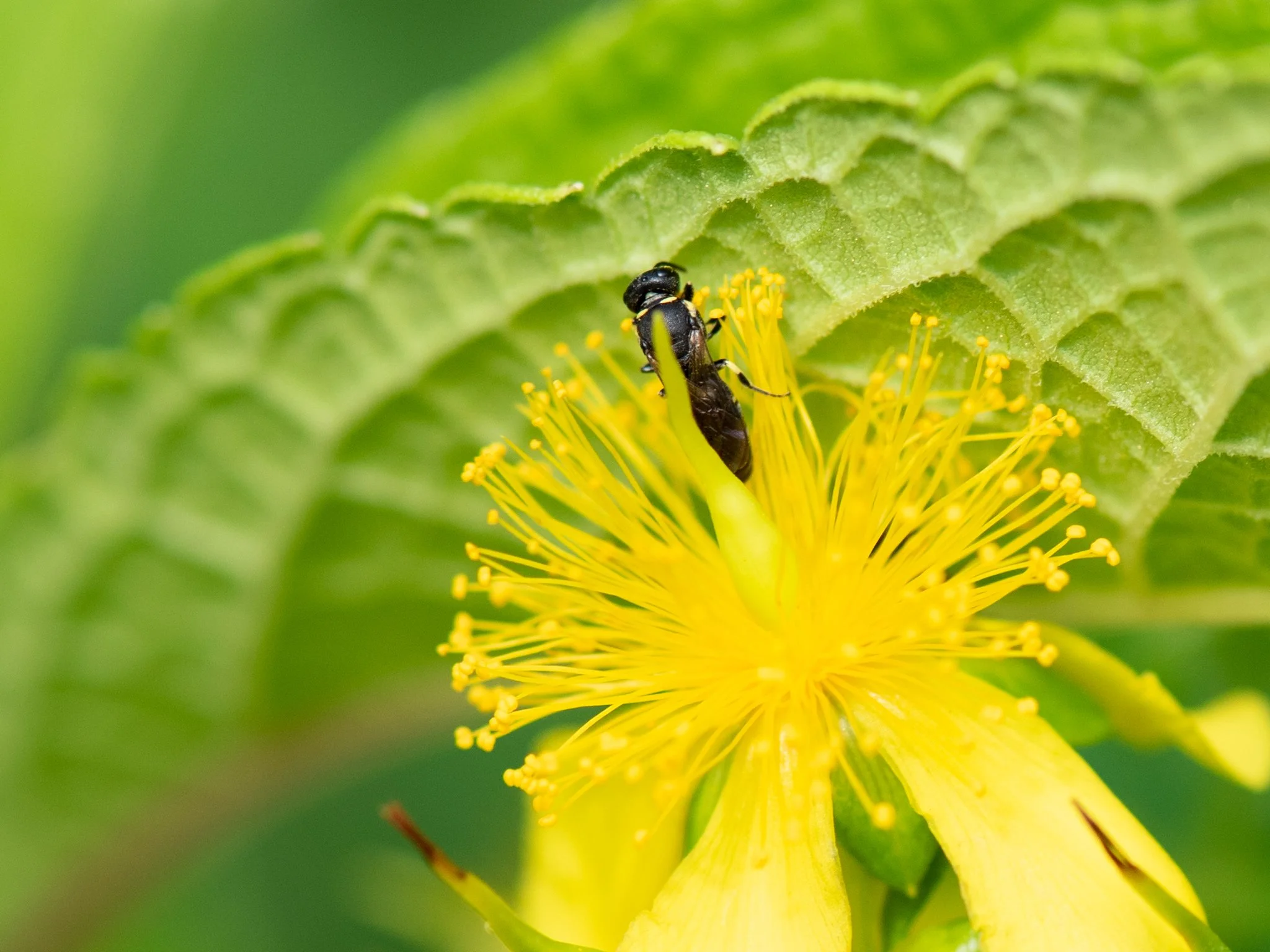
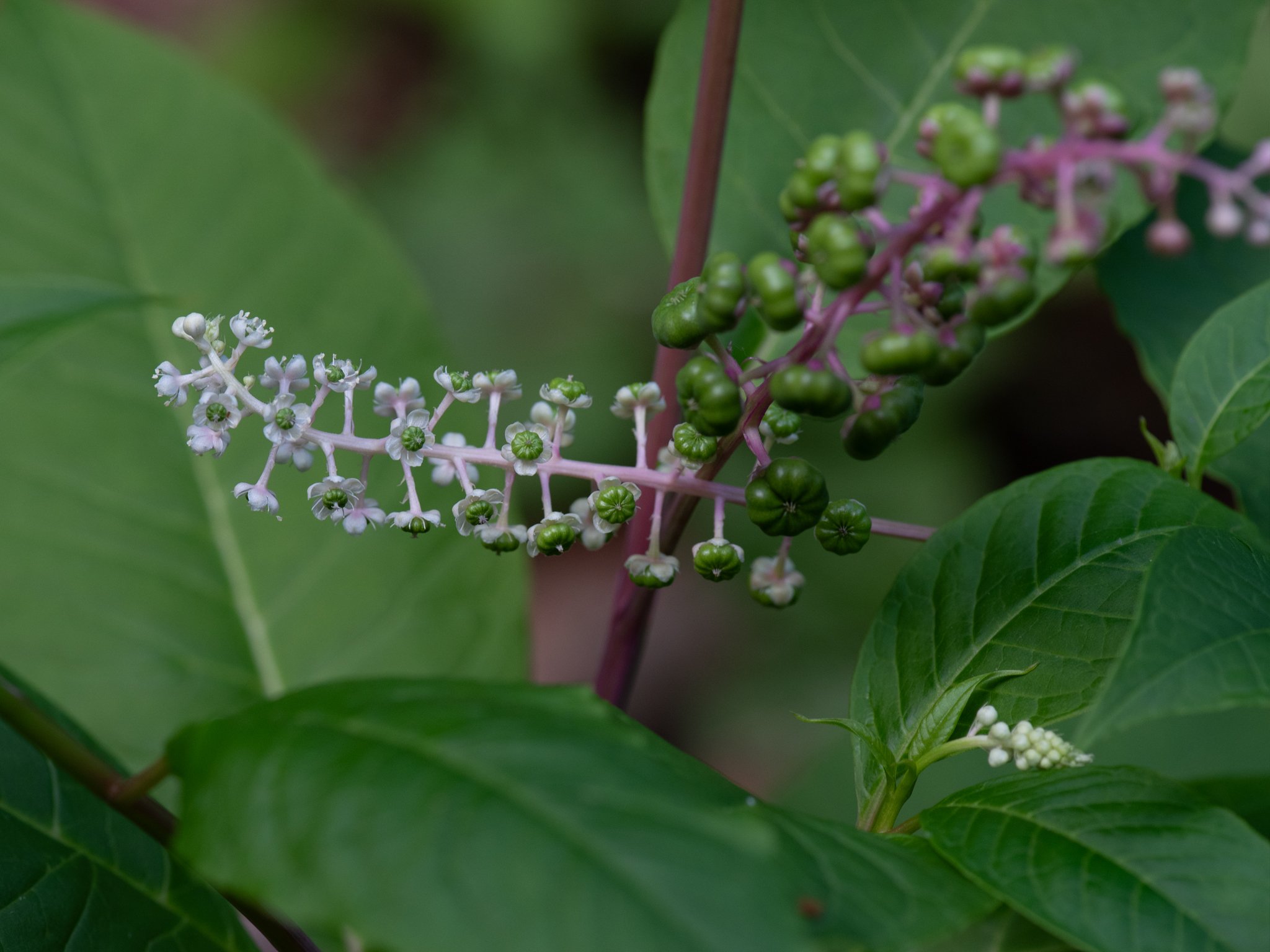
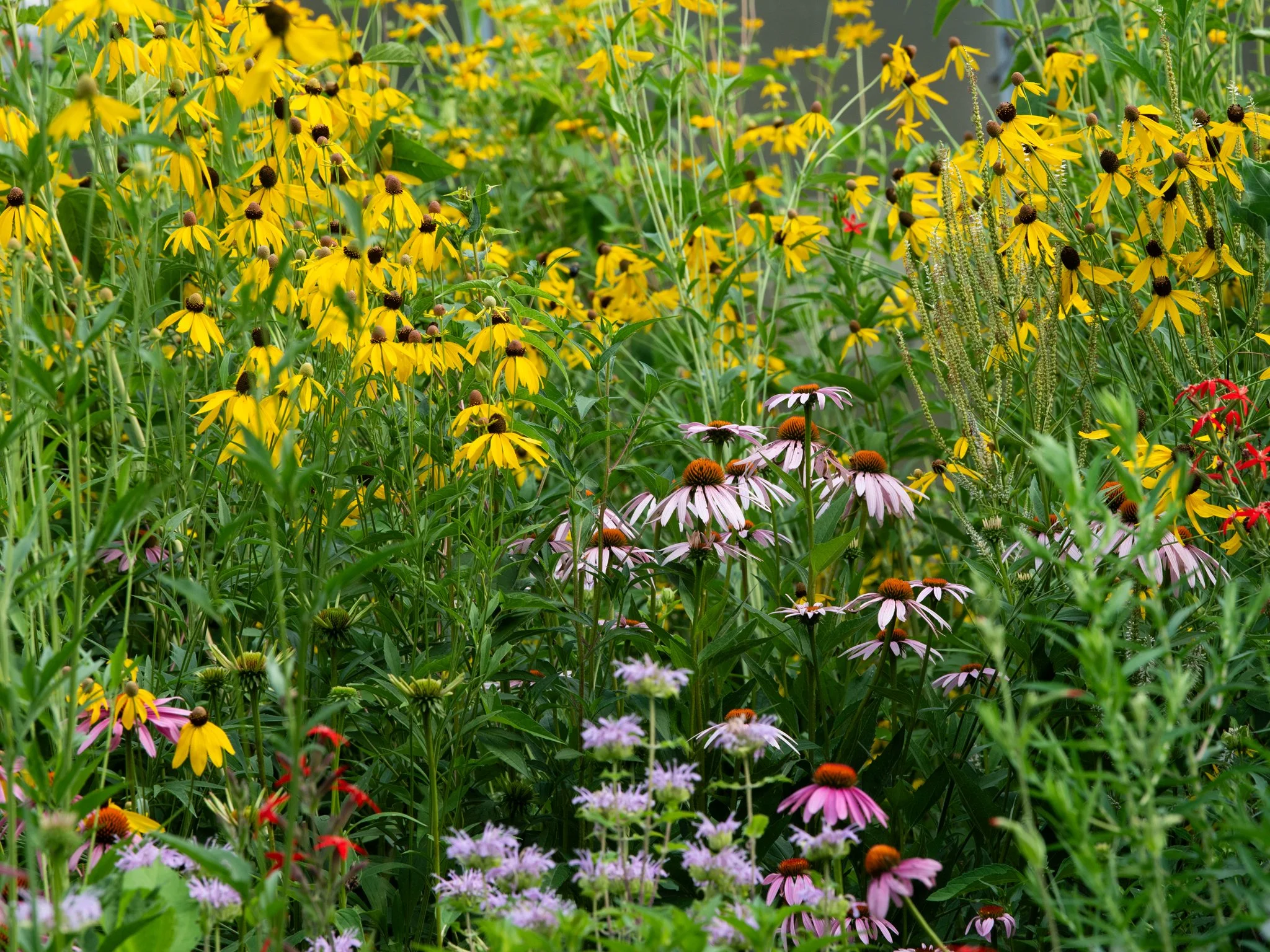
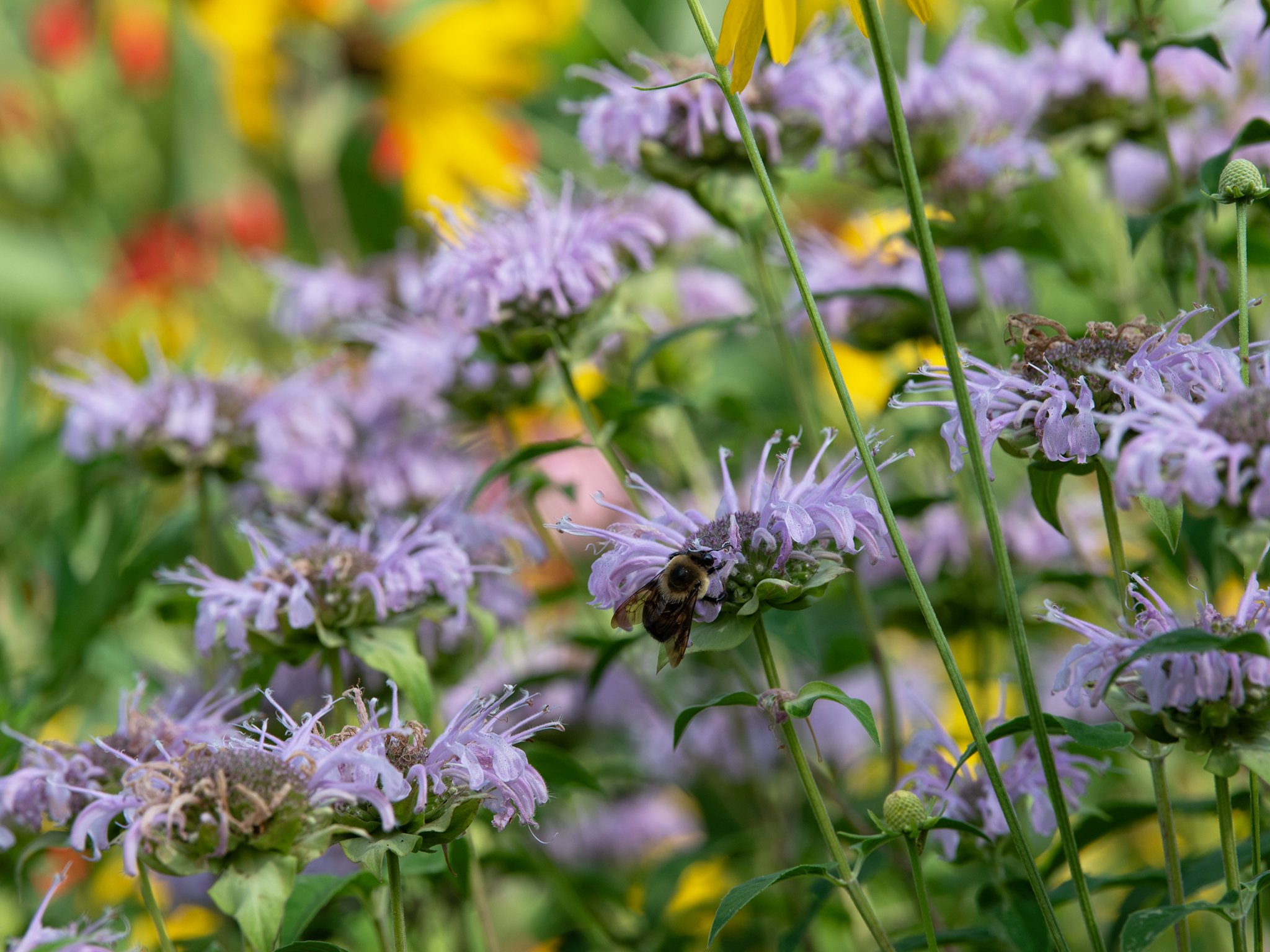
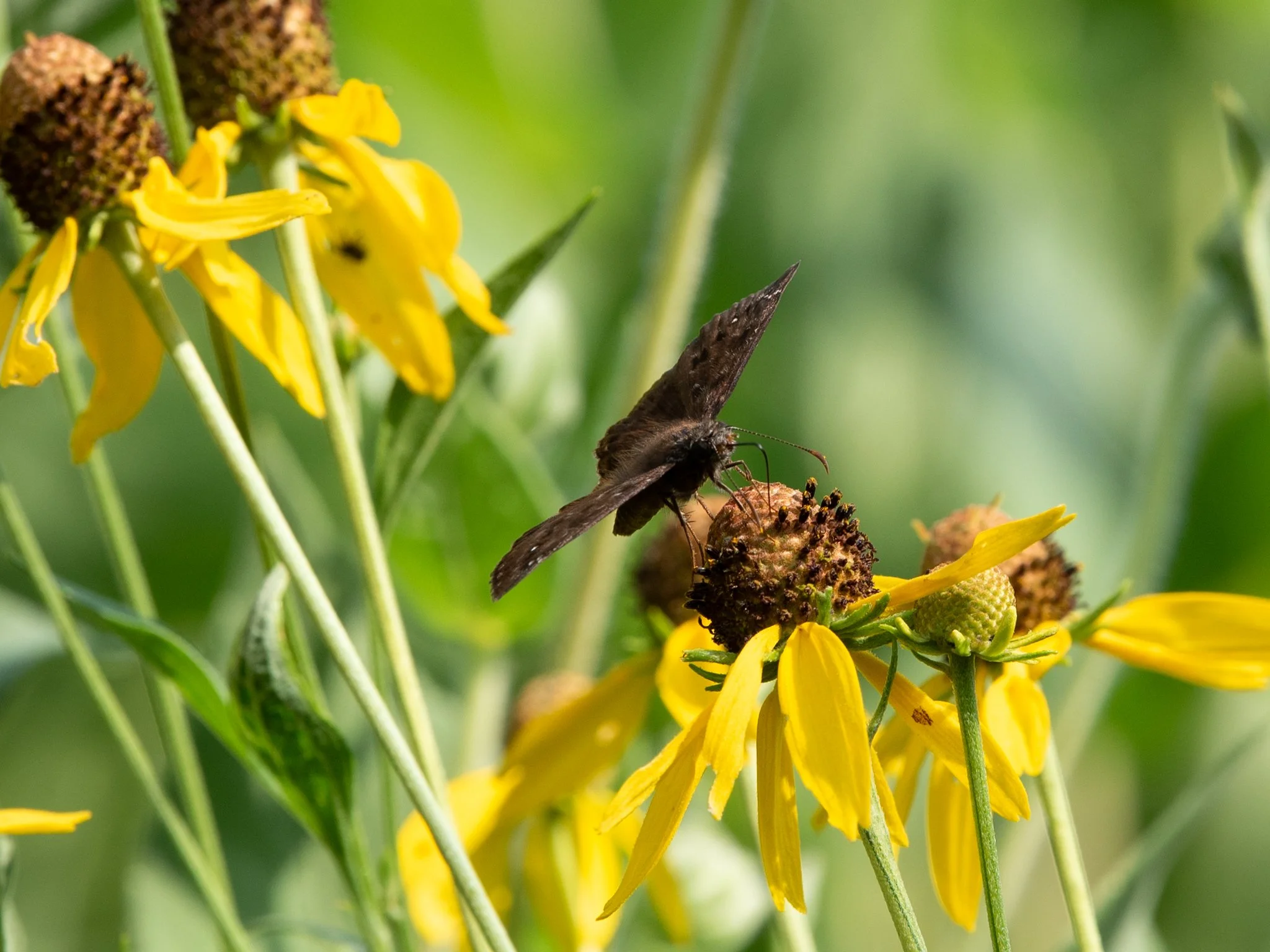
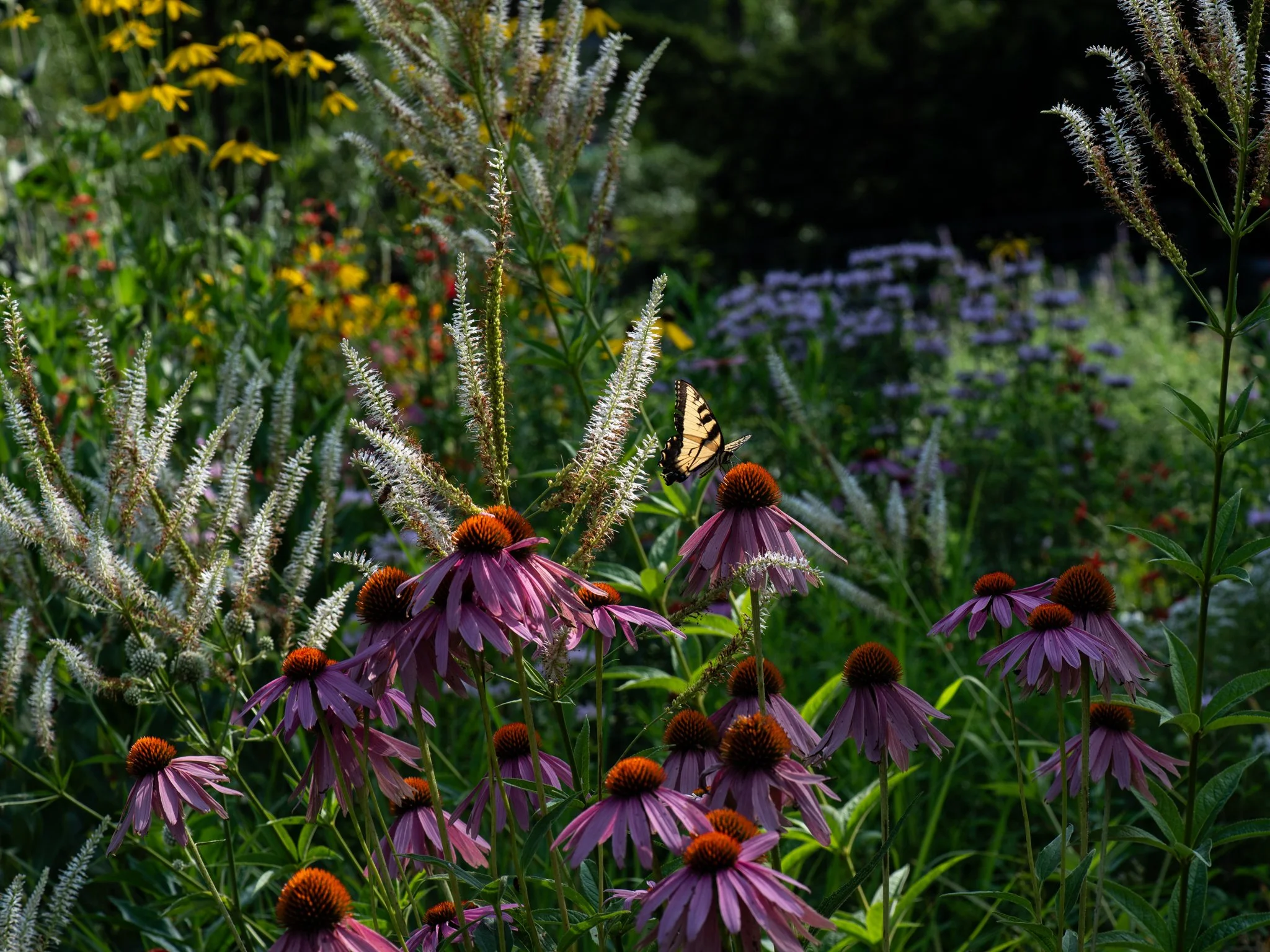
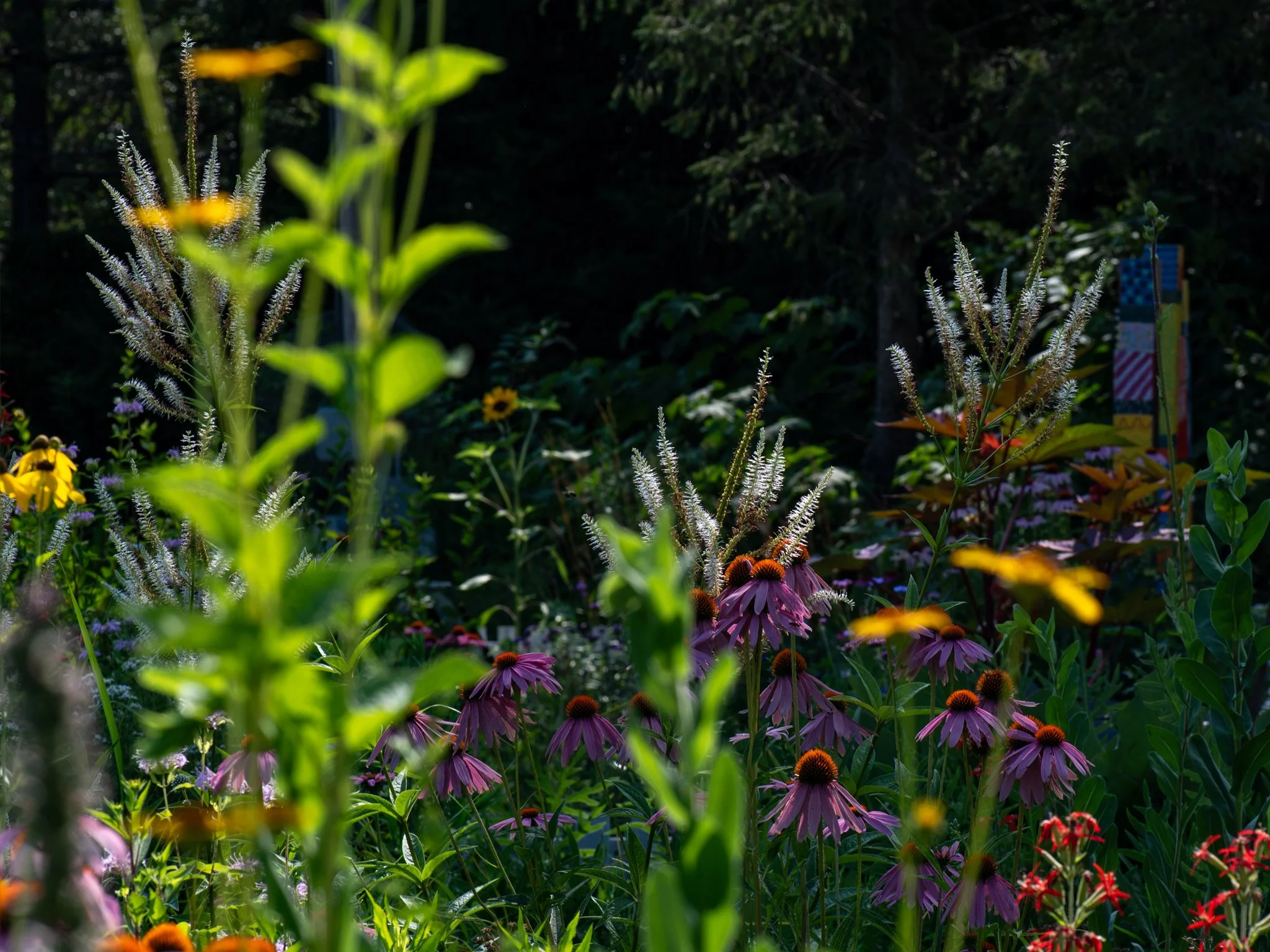
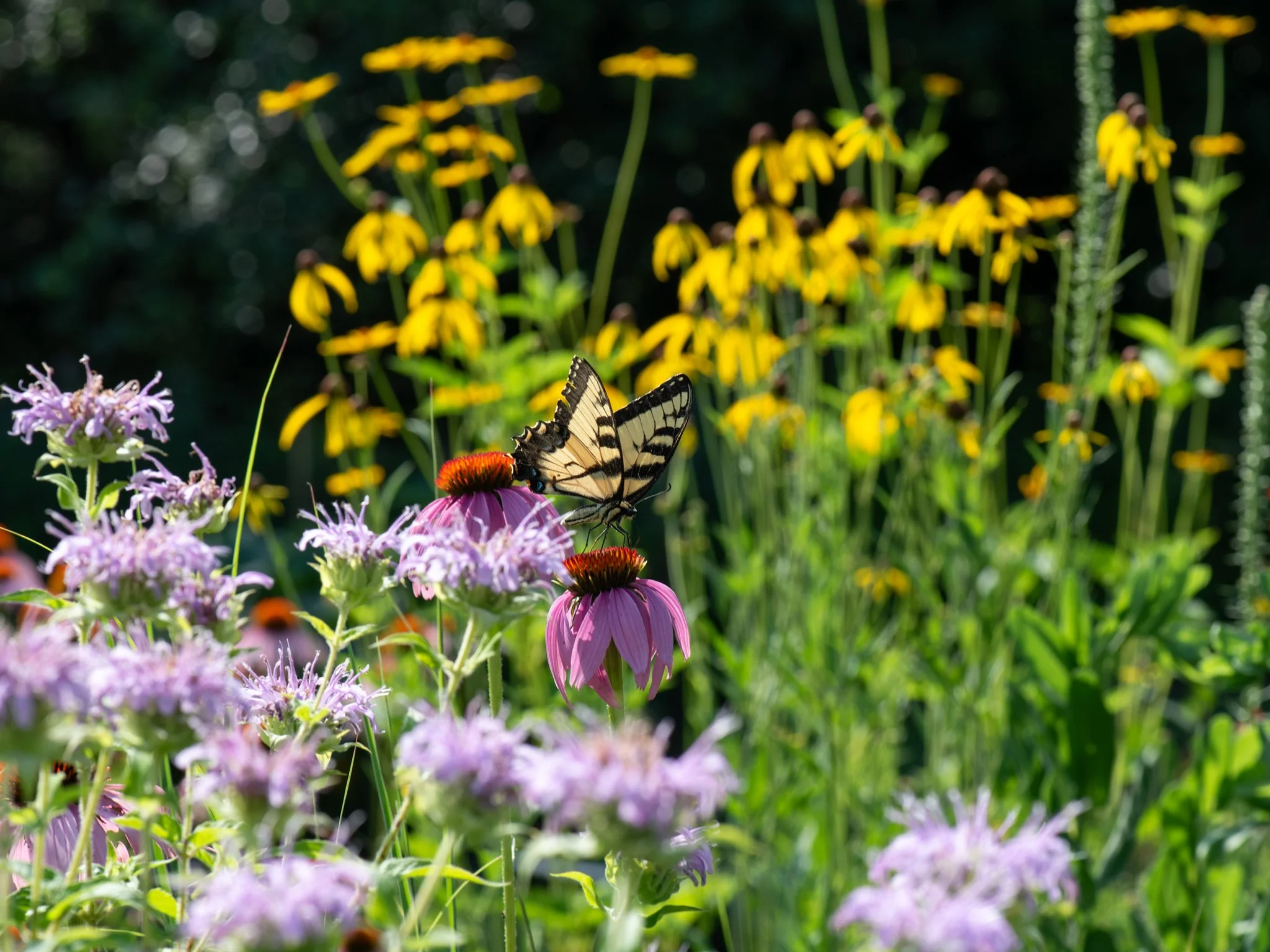
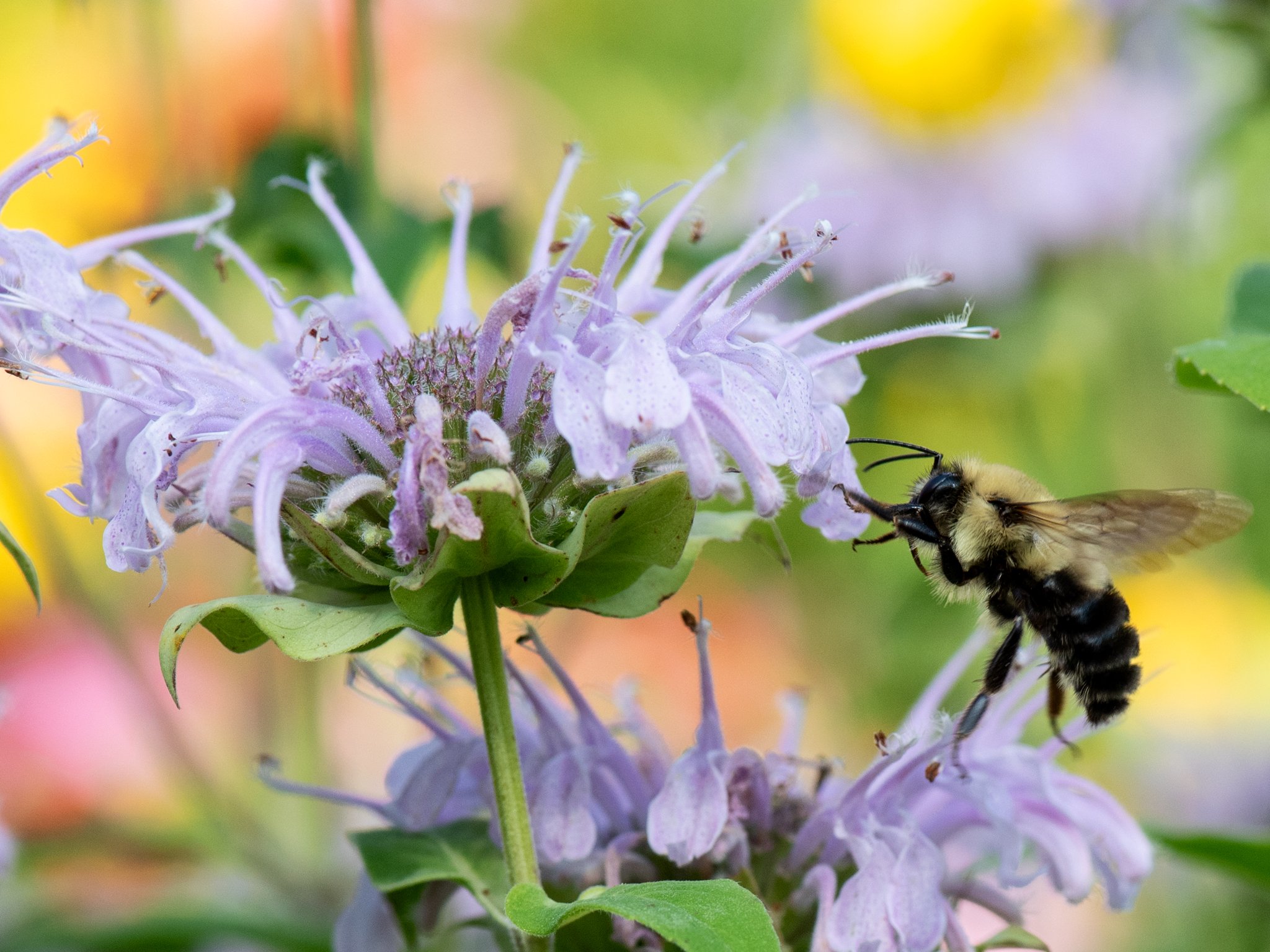
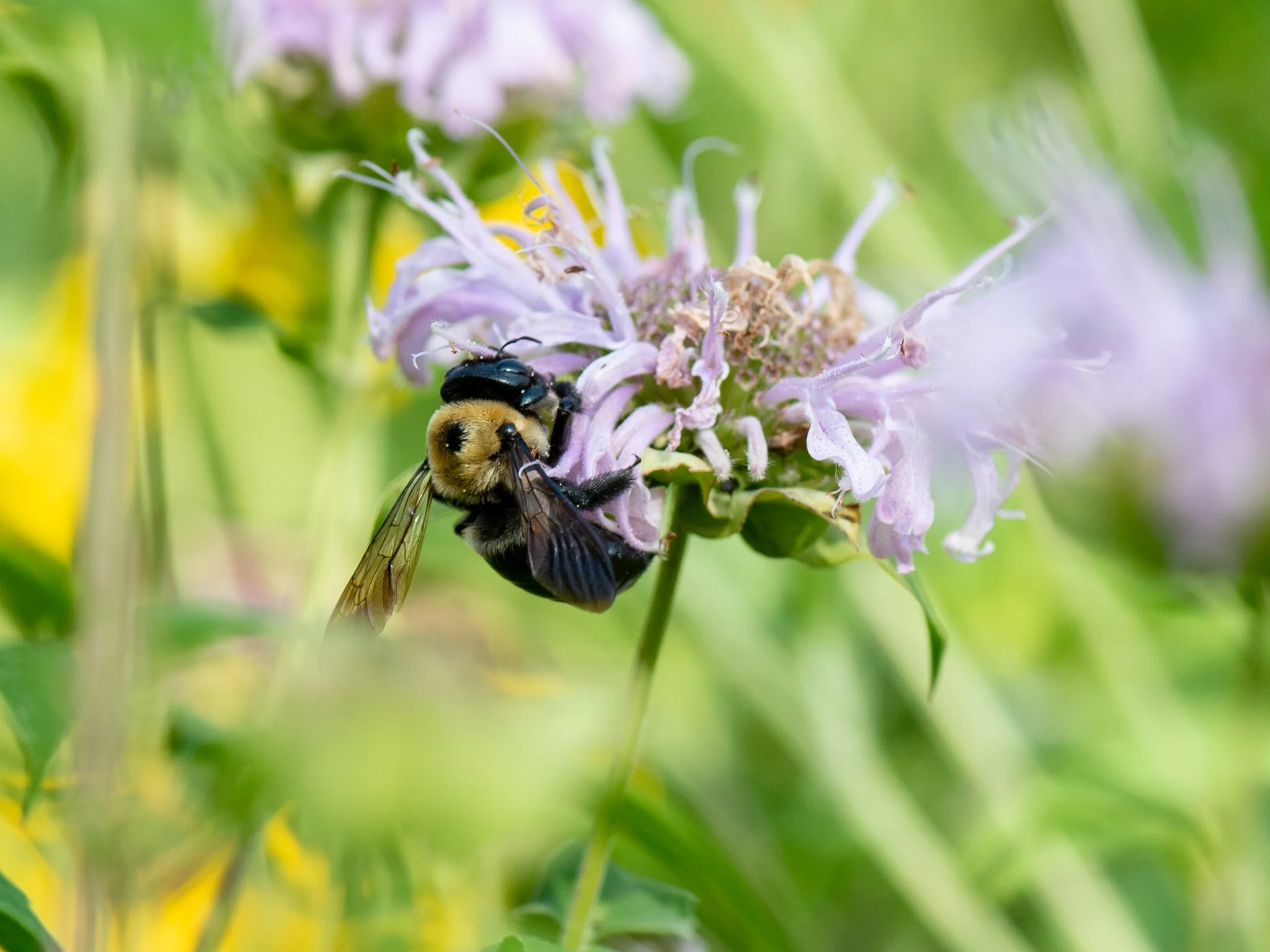
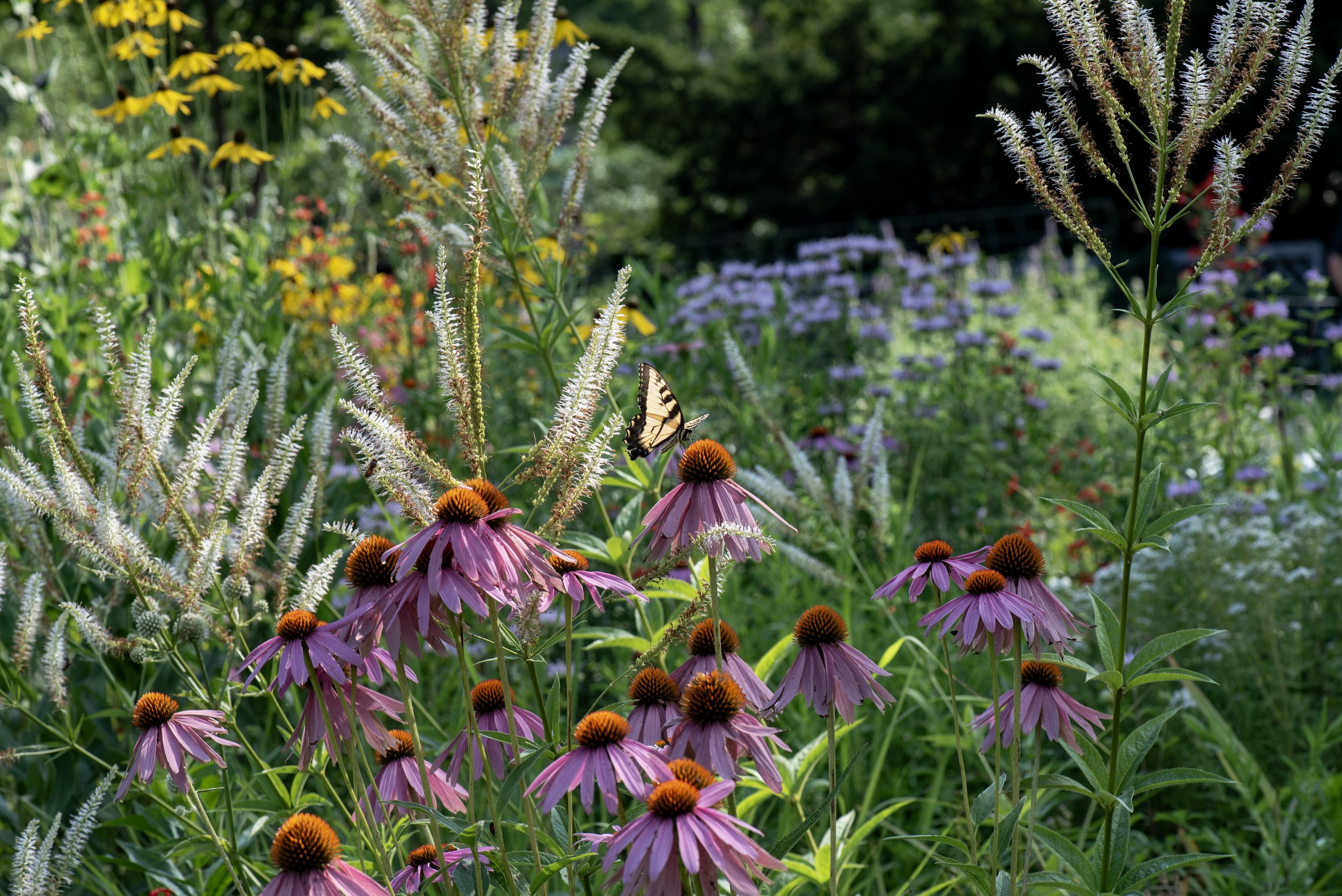
The work isn't finished, but the garden has become itself. Its roots run deep enough to find what they need. Pollinators know where to go. Birds have claimed familiar perches. Butterflies arrive.
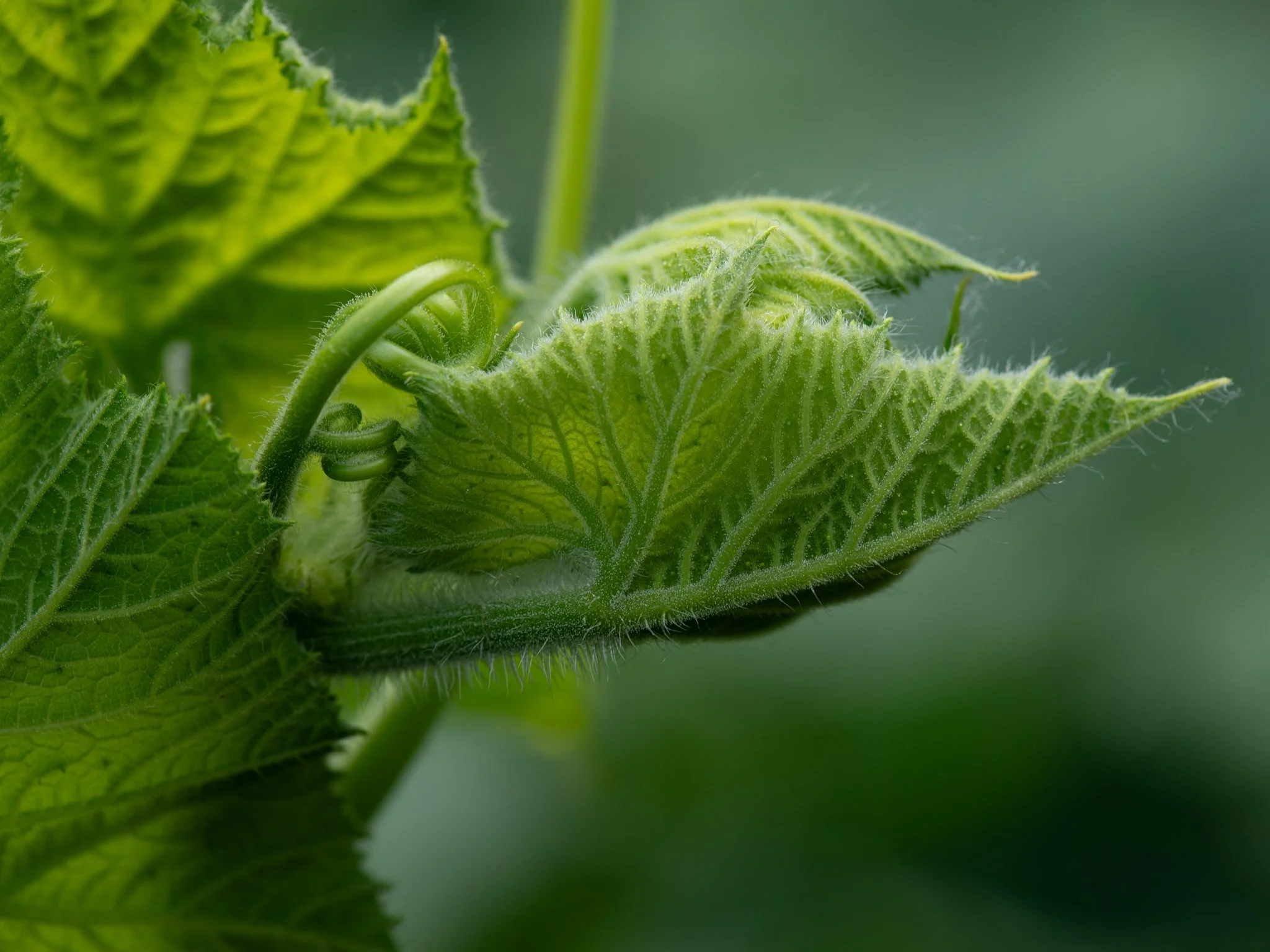
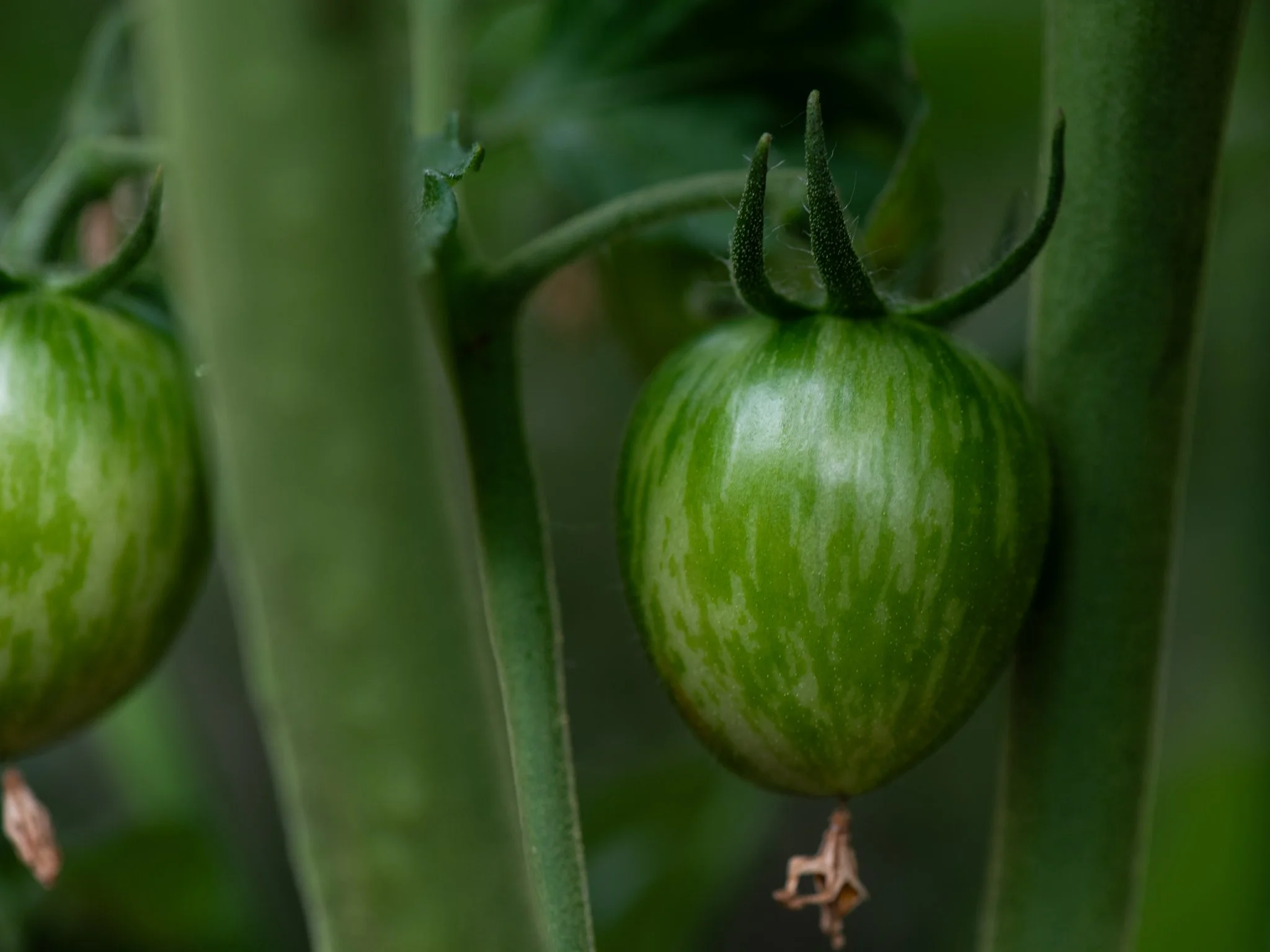
There is still watering when the rains don't come. A blossom to deadhead. A tomato to tie. A pumpkin vine to guide. But these are small conversations rather than constant instructions.
Perhaps that is what early July offers more than anything else: trust.
Trust that the work of spring mattered. Trust that life knows what to do once it has been given a chance. Trust that not every moment requires our hands.
For a little while, we can sit in the shade, listen to the bees, watch a butterfly drift across the flowers, and realize the garden no longer needs our constant attention. It simply asks us to be present.
Of course, that moment of stillness doesn't happen by accident. I arrive the morning after the volunteers have spent hours tending these beds, quietly doing the work that allows the garden to carry itself through summer.
And beyond these paths, much of Ohio feels the same. The fields have settled into green. Roadsides are alive with wildflowers. County fairs and festivals begin to fill the calendar. After the urgency of spring, summer invites us to slow our pace—not because the work is over, but because, for a little while, the land is doing what it has always known how to do.