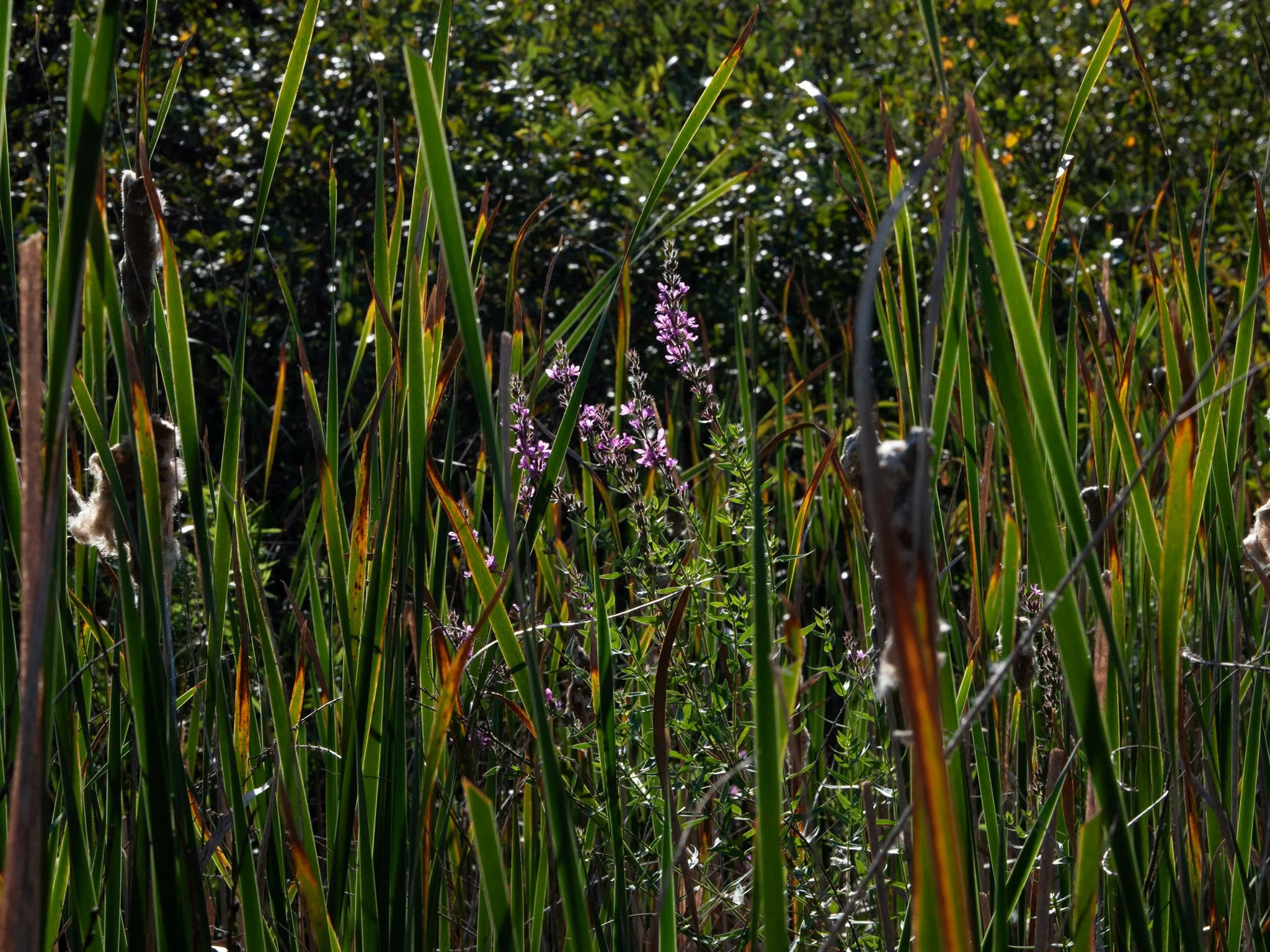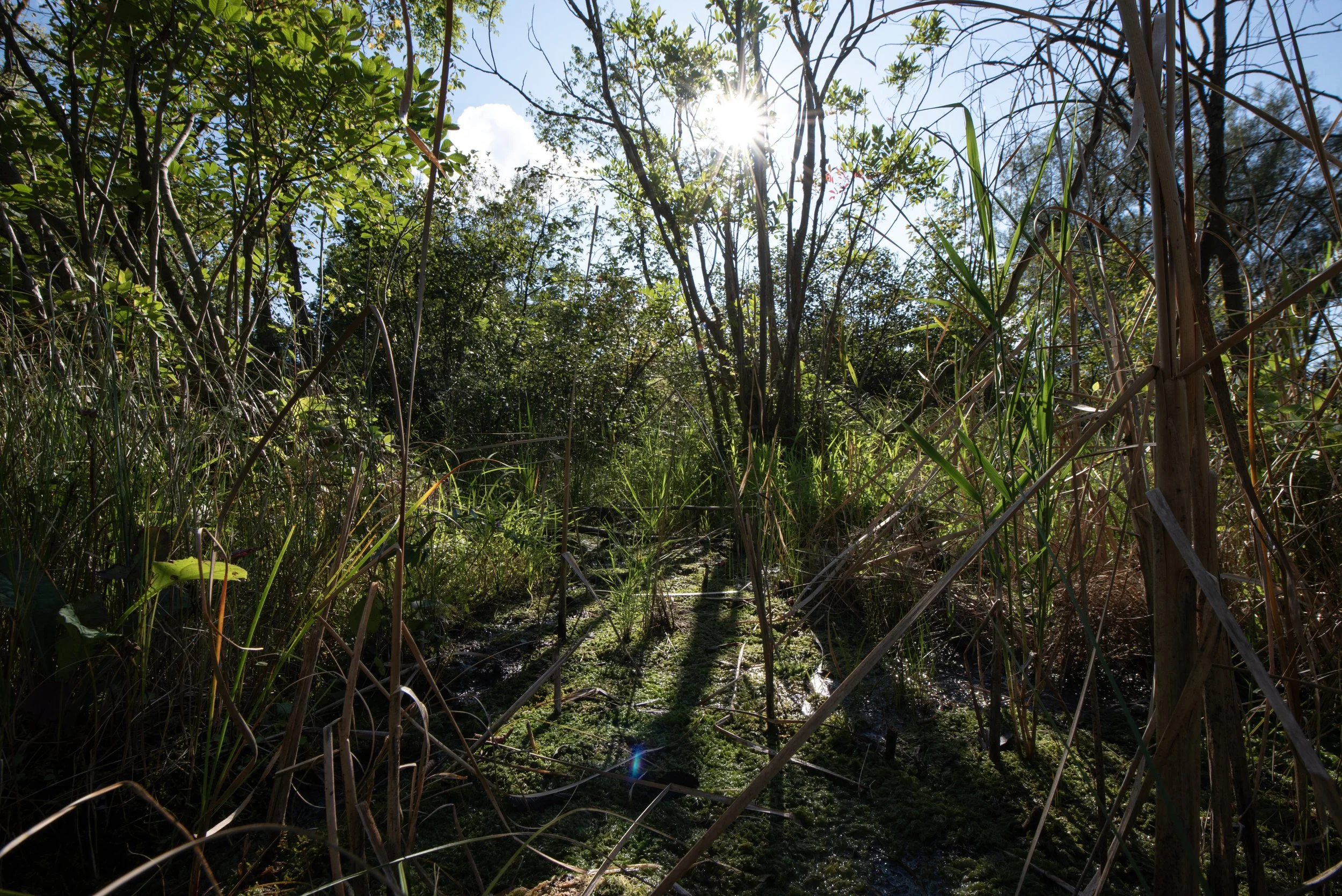
Jackson Bog
I Wish I Had Started Learning This Earlier
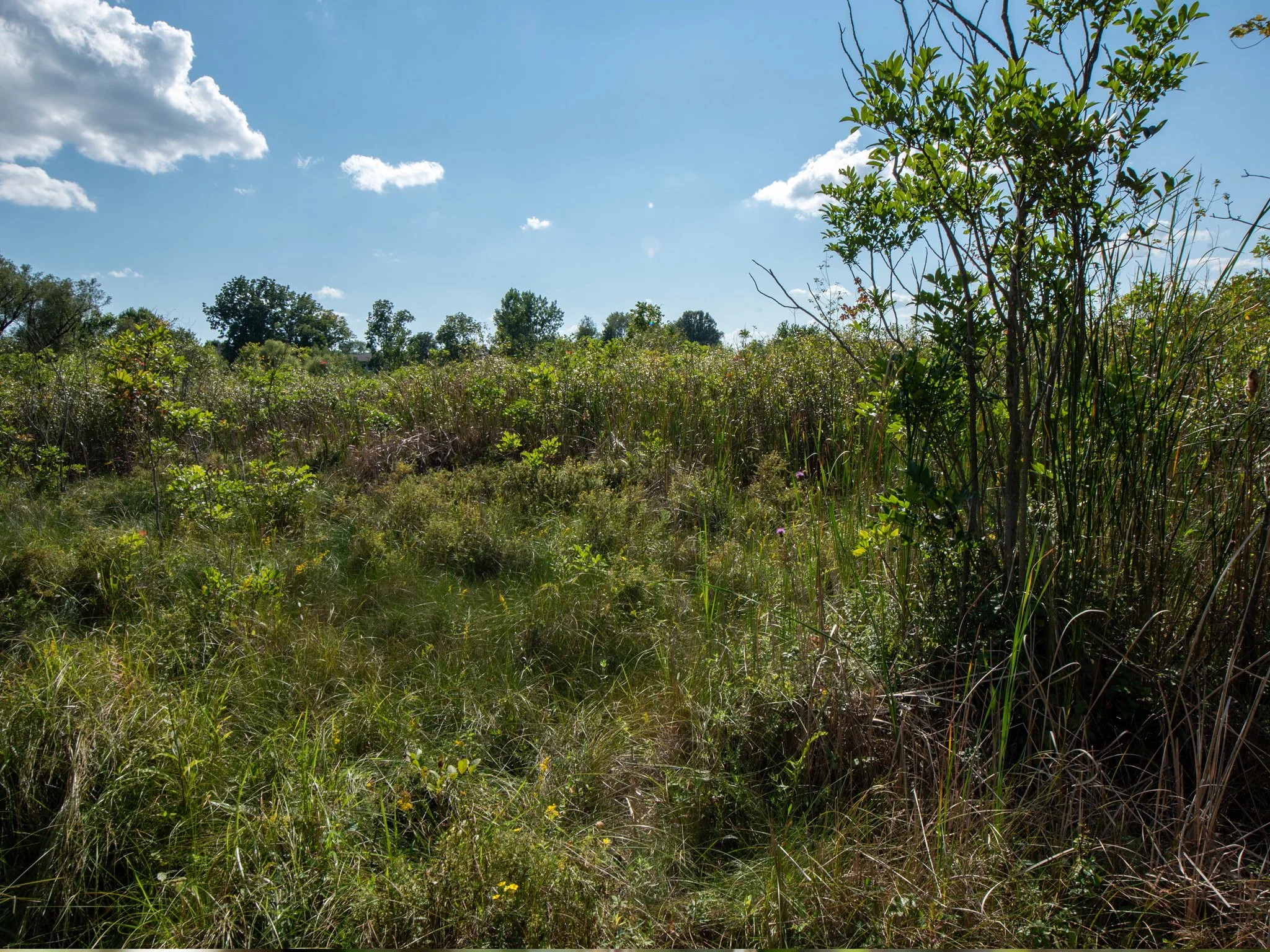
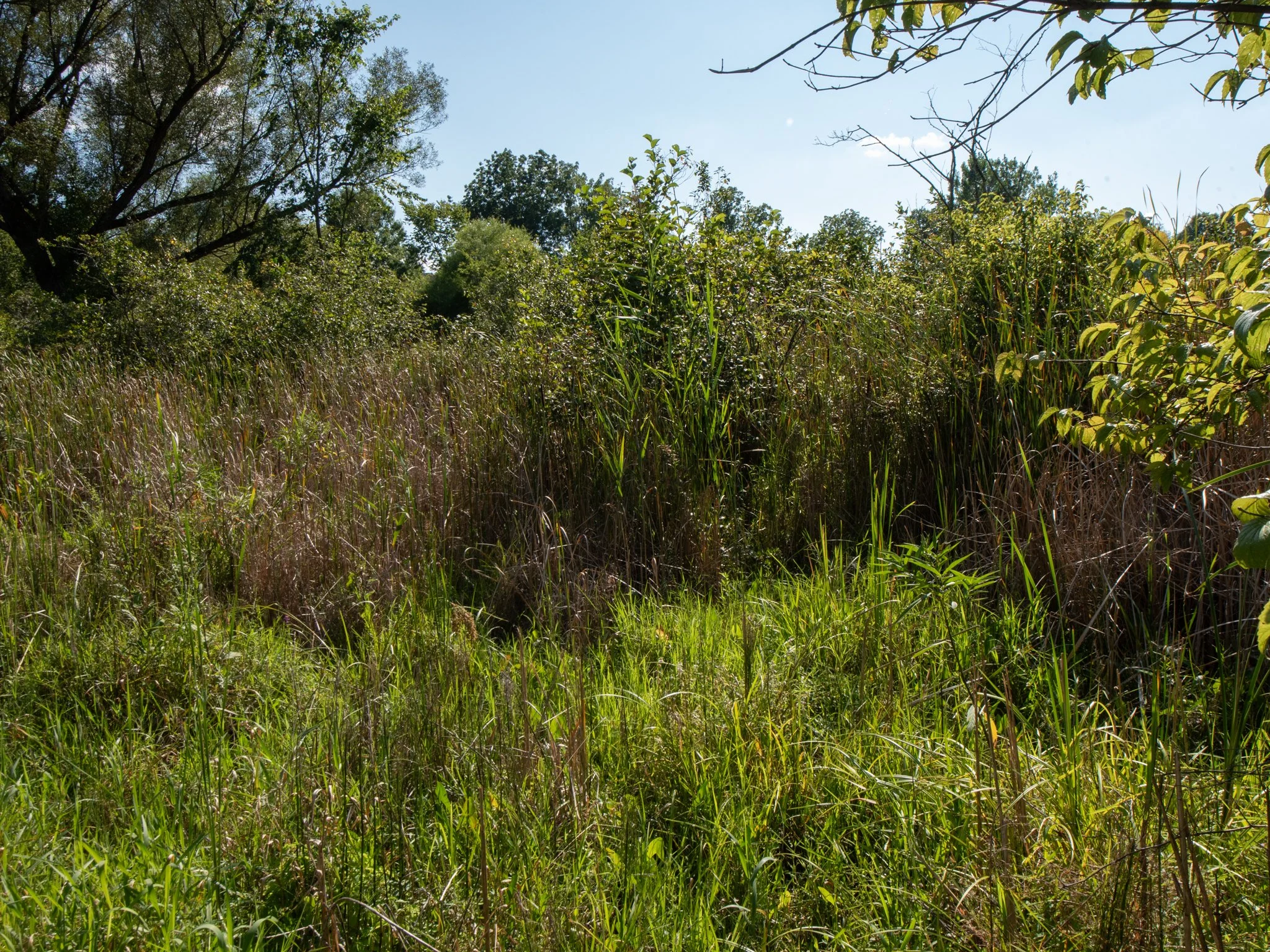
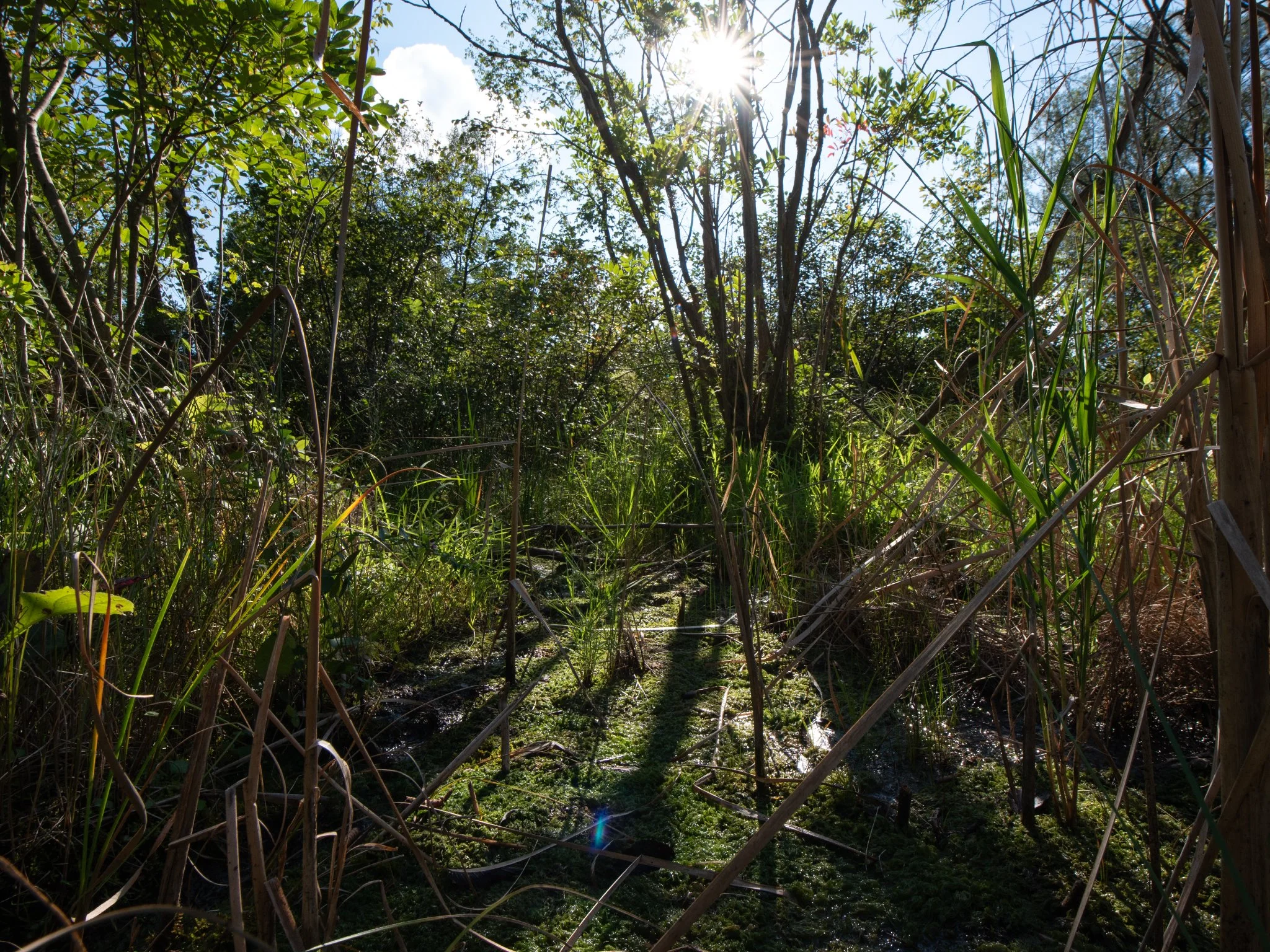
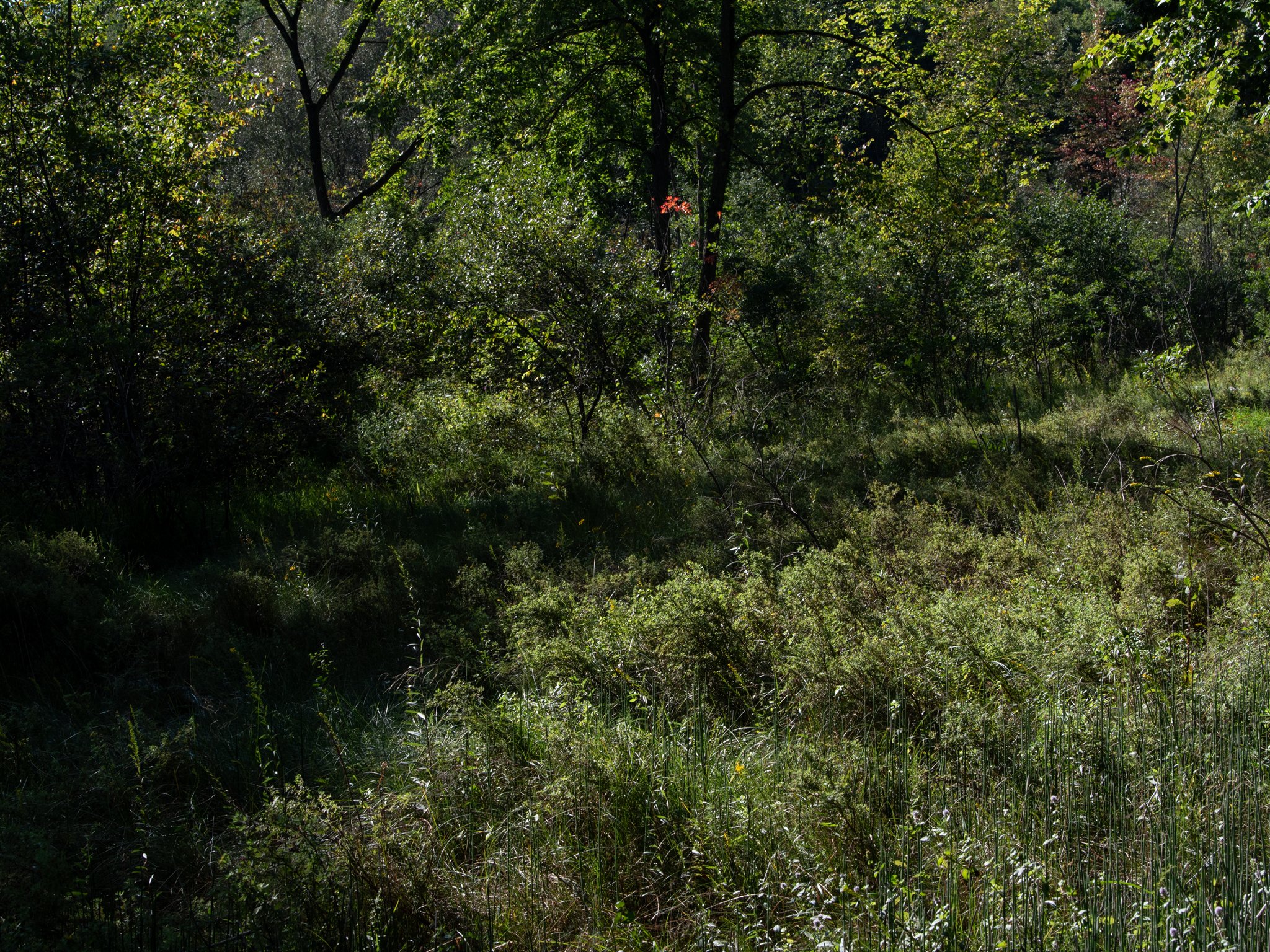
We are rarely taught how to look at a place without the burden of its name. I walked into Jackson Bog expecting an enclosure—a quiet, placid bowl of rainwater trapped by time.
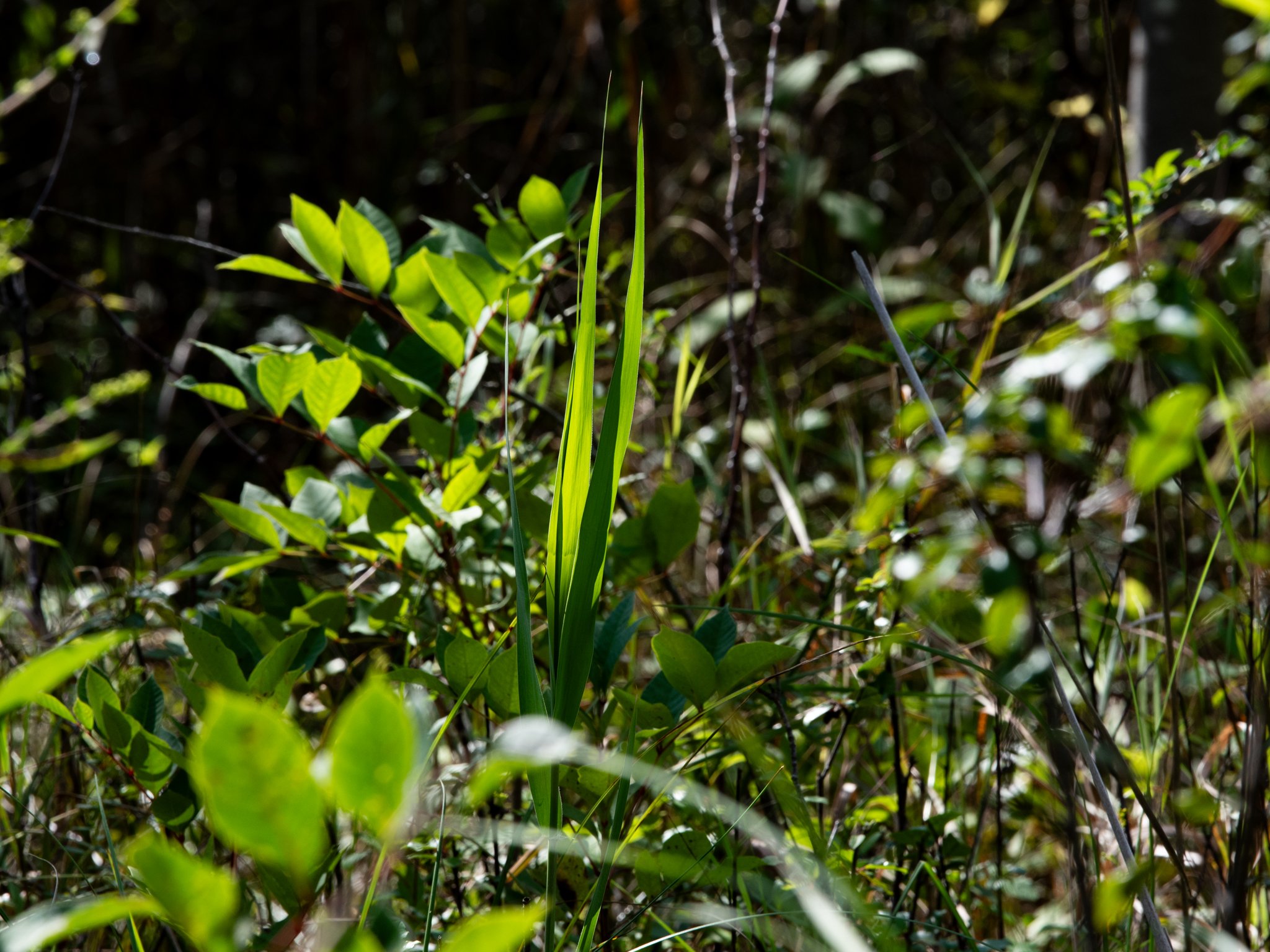
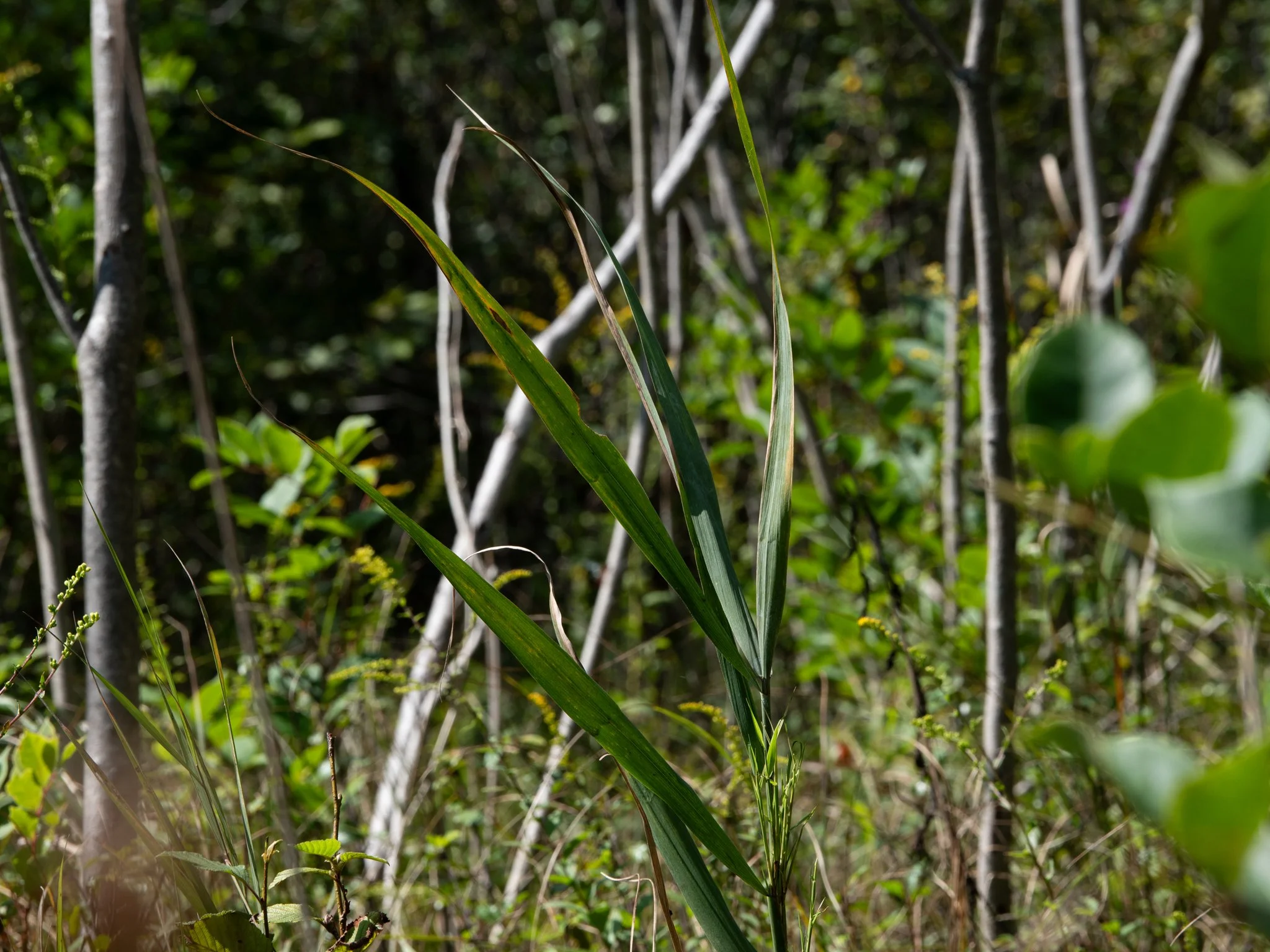
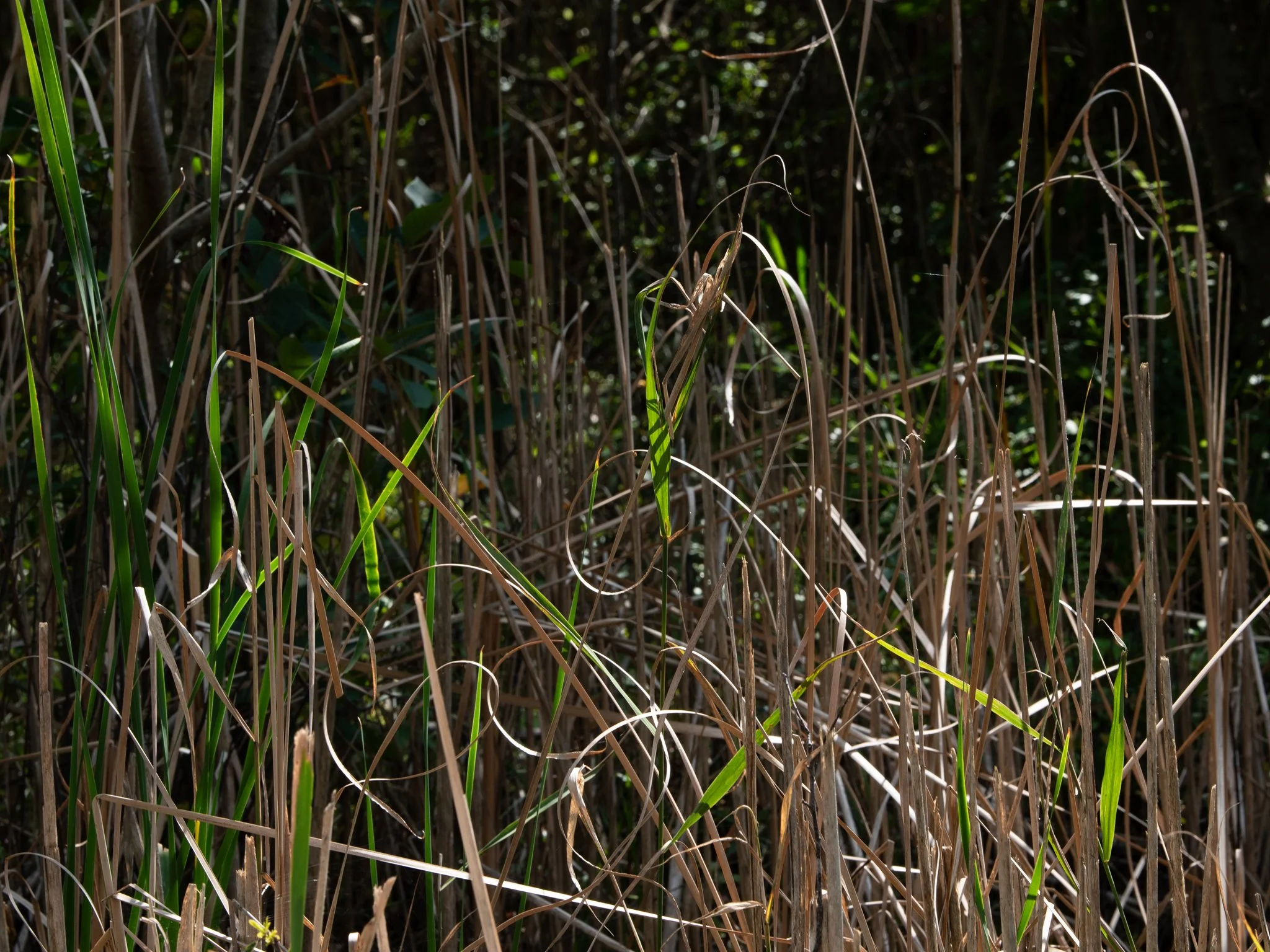
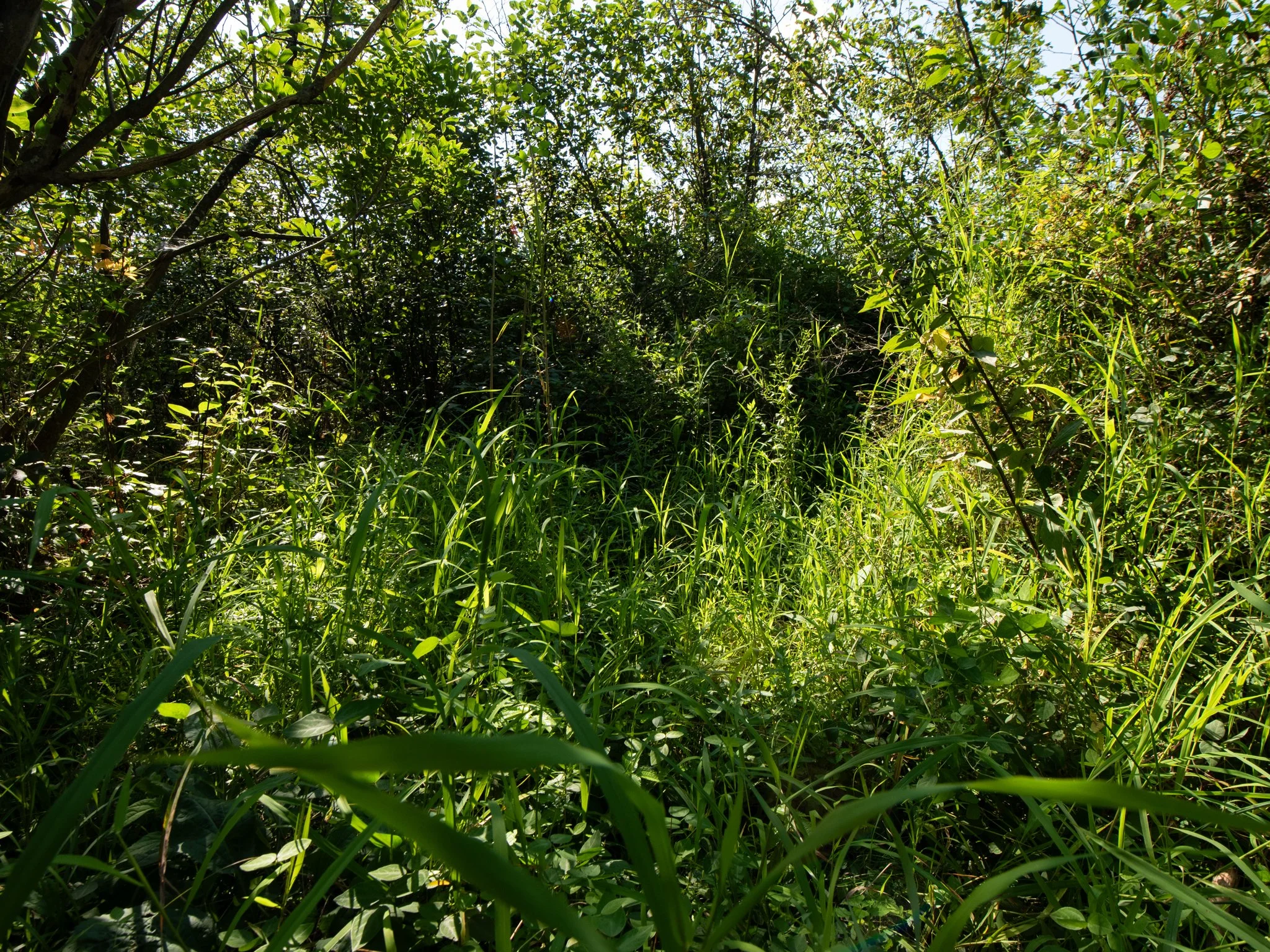
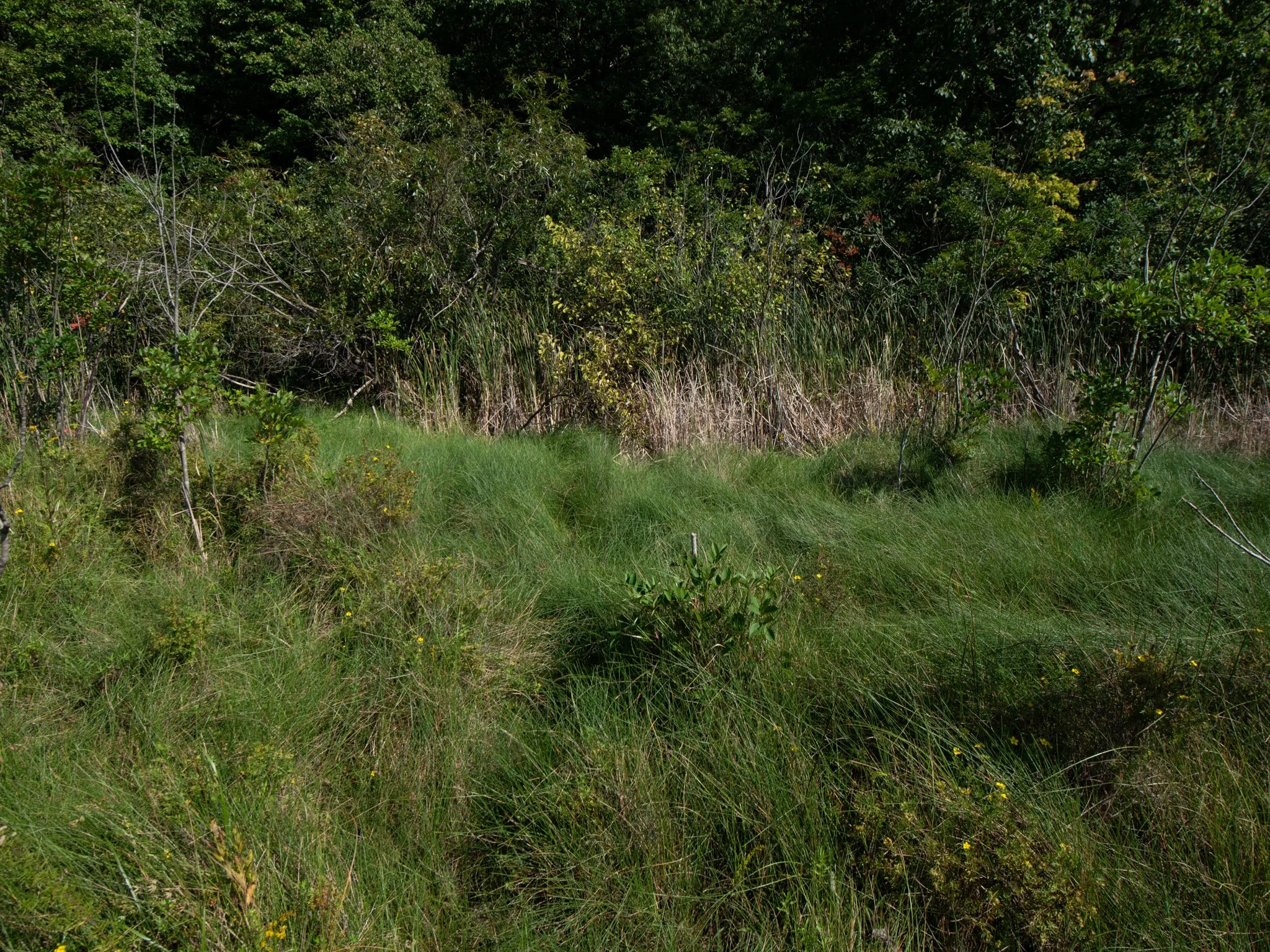
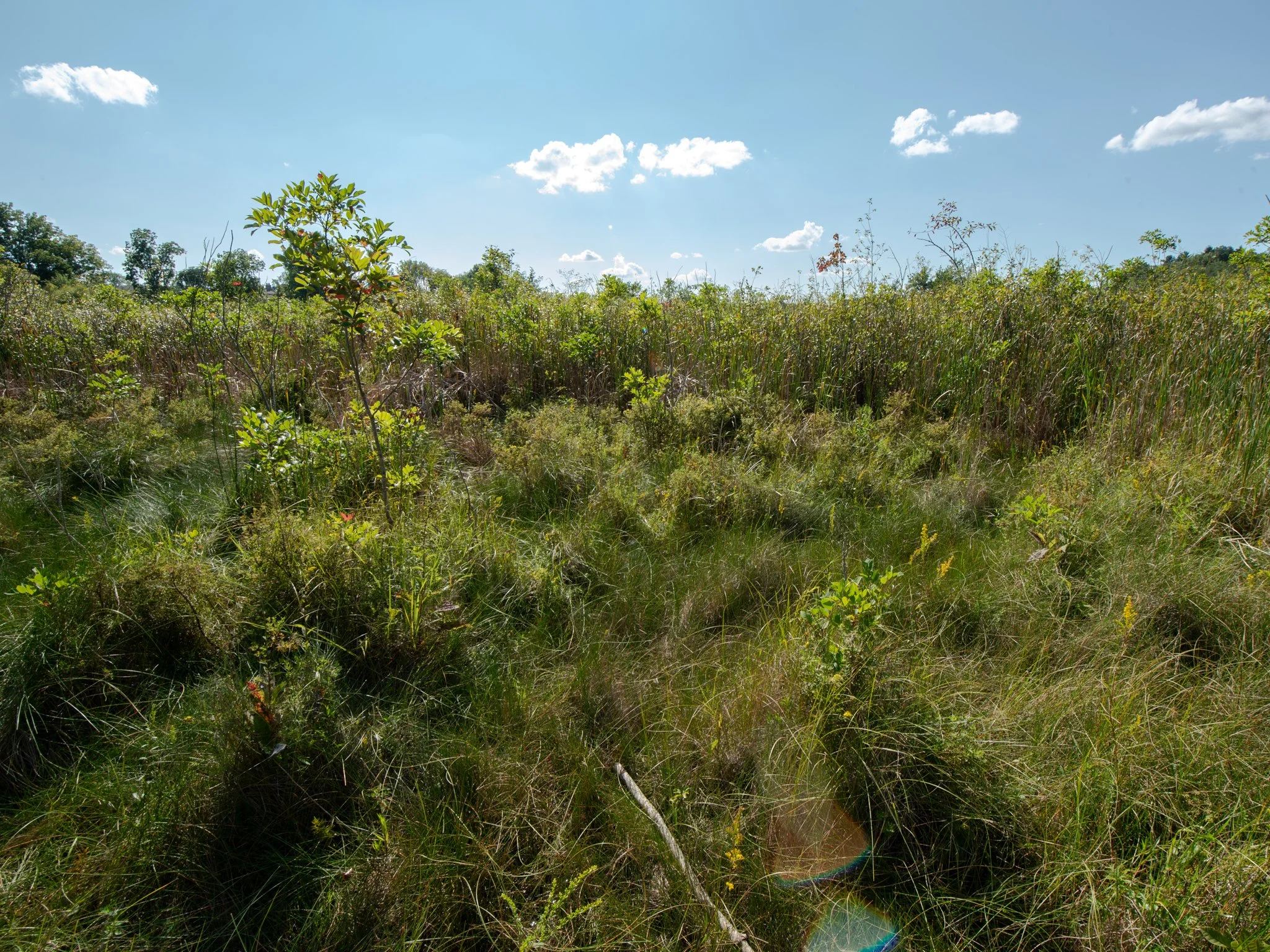
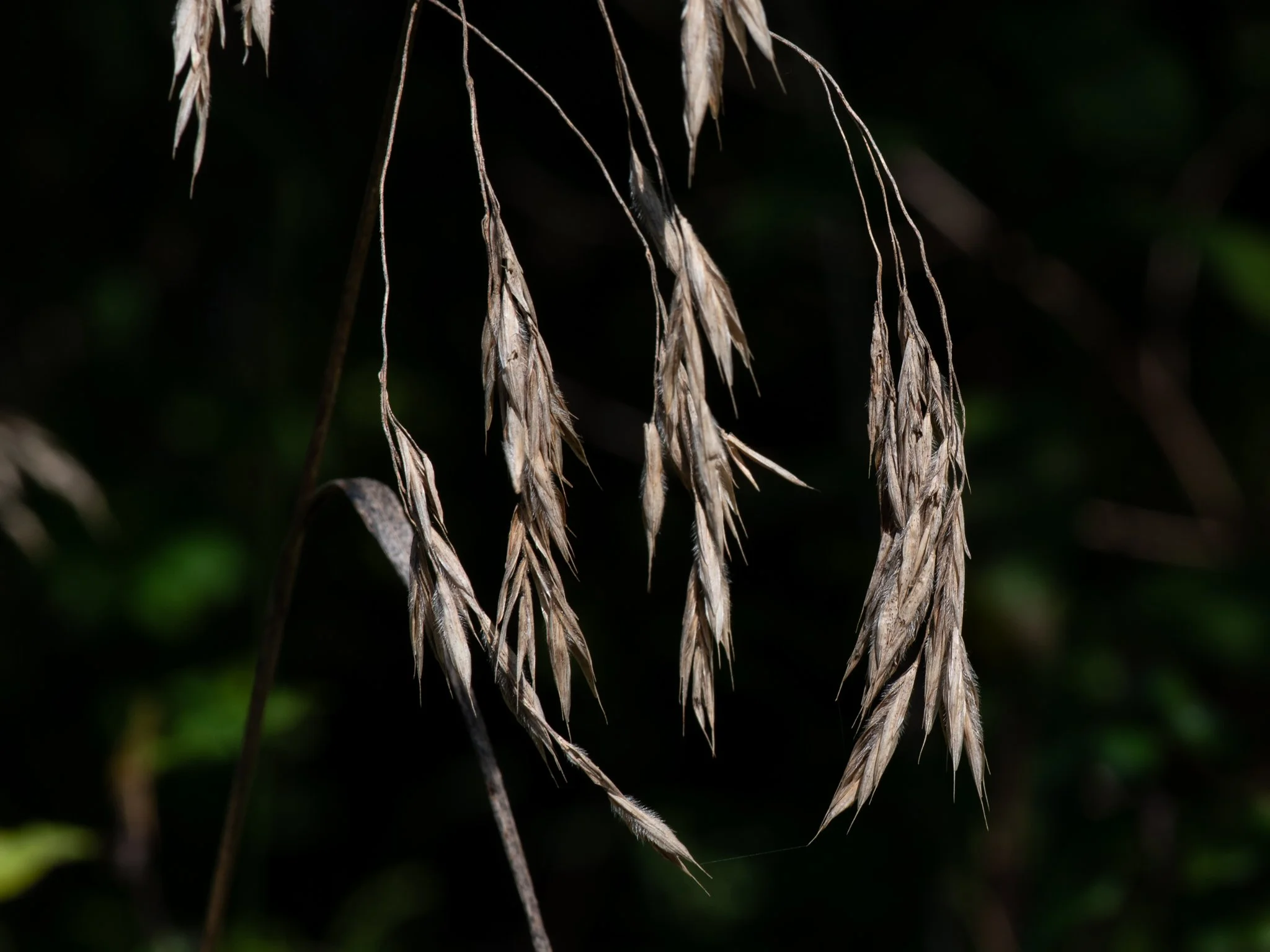
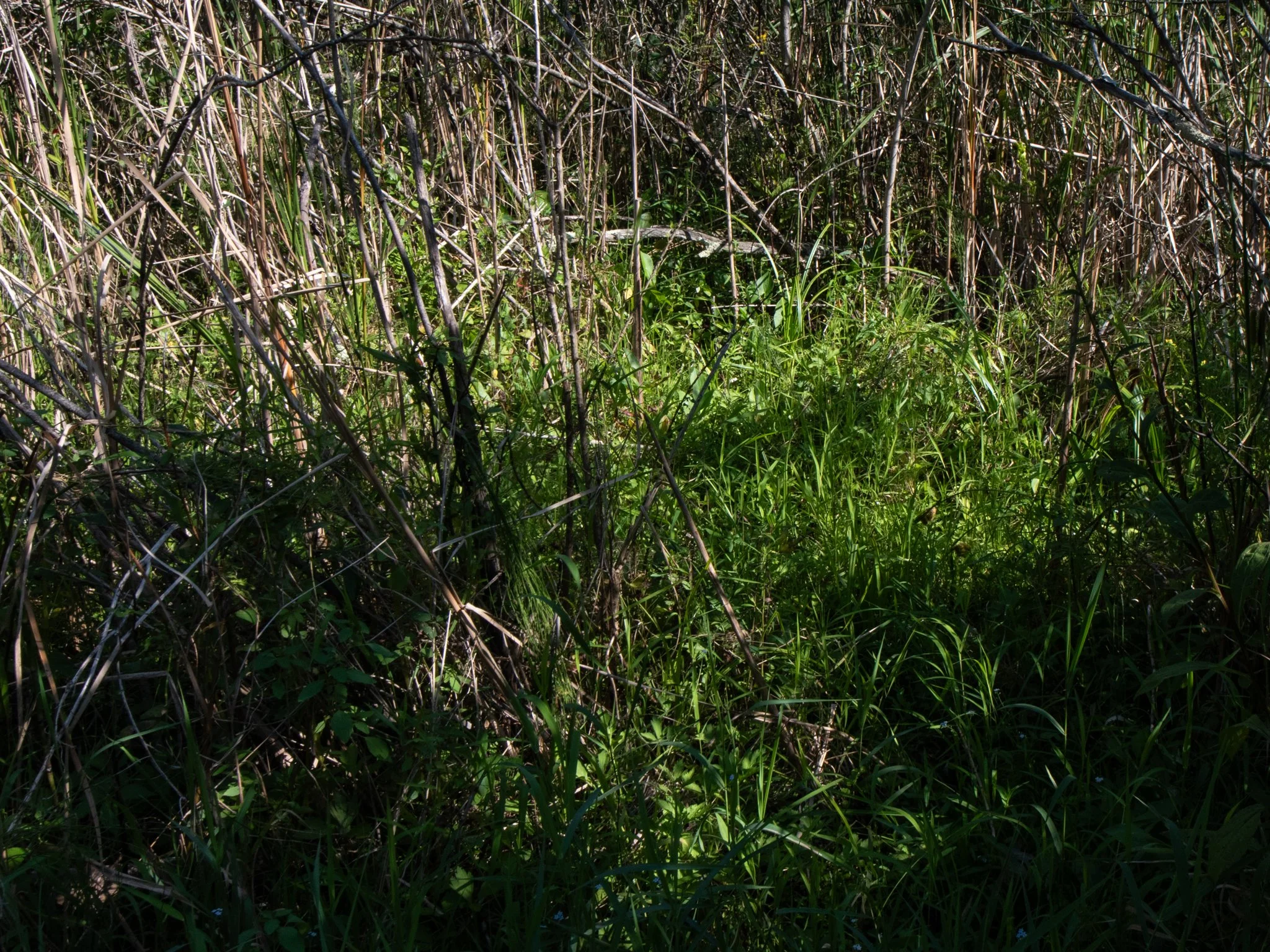
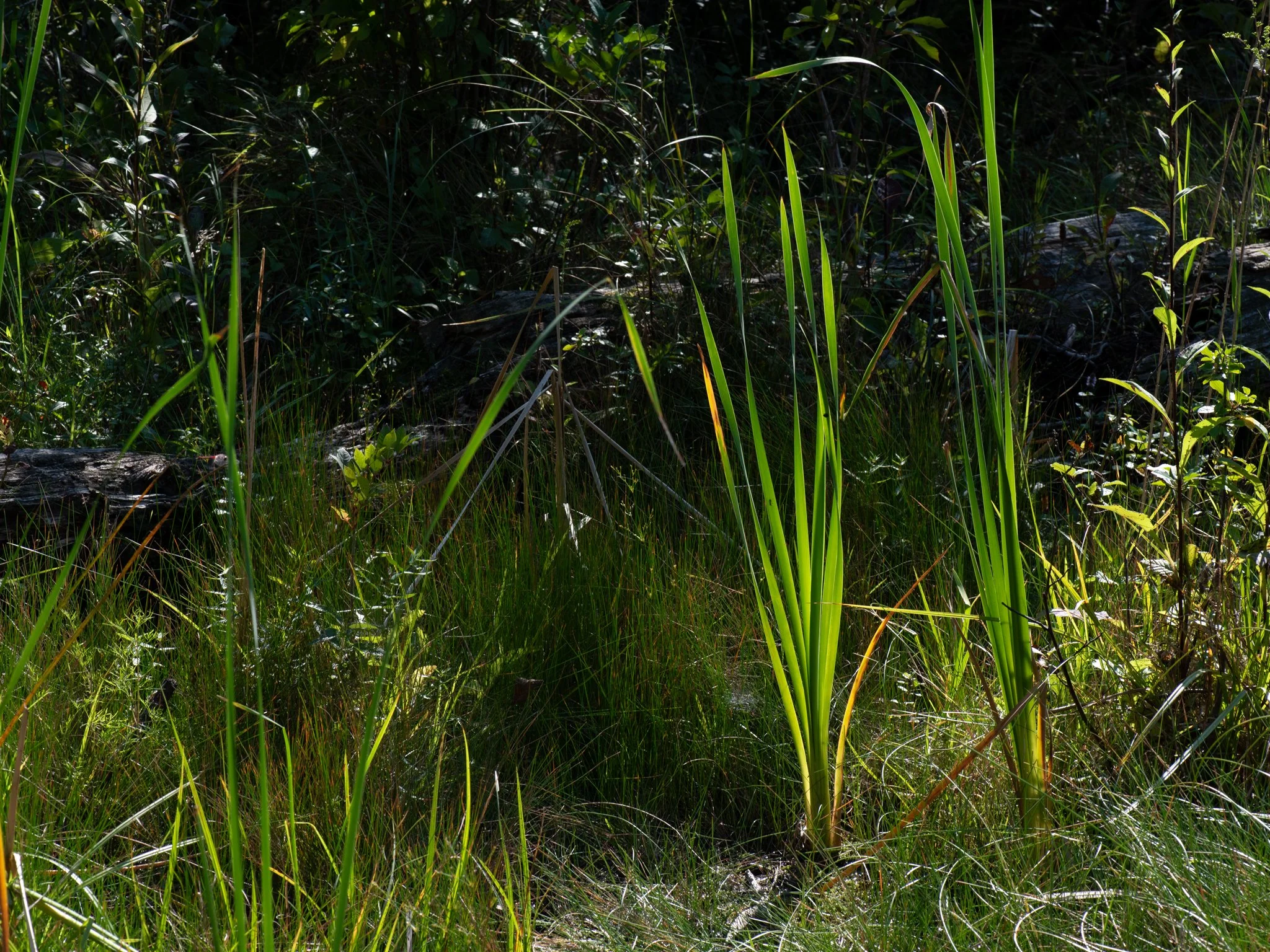
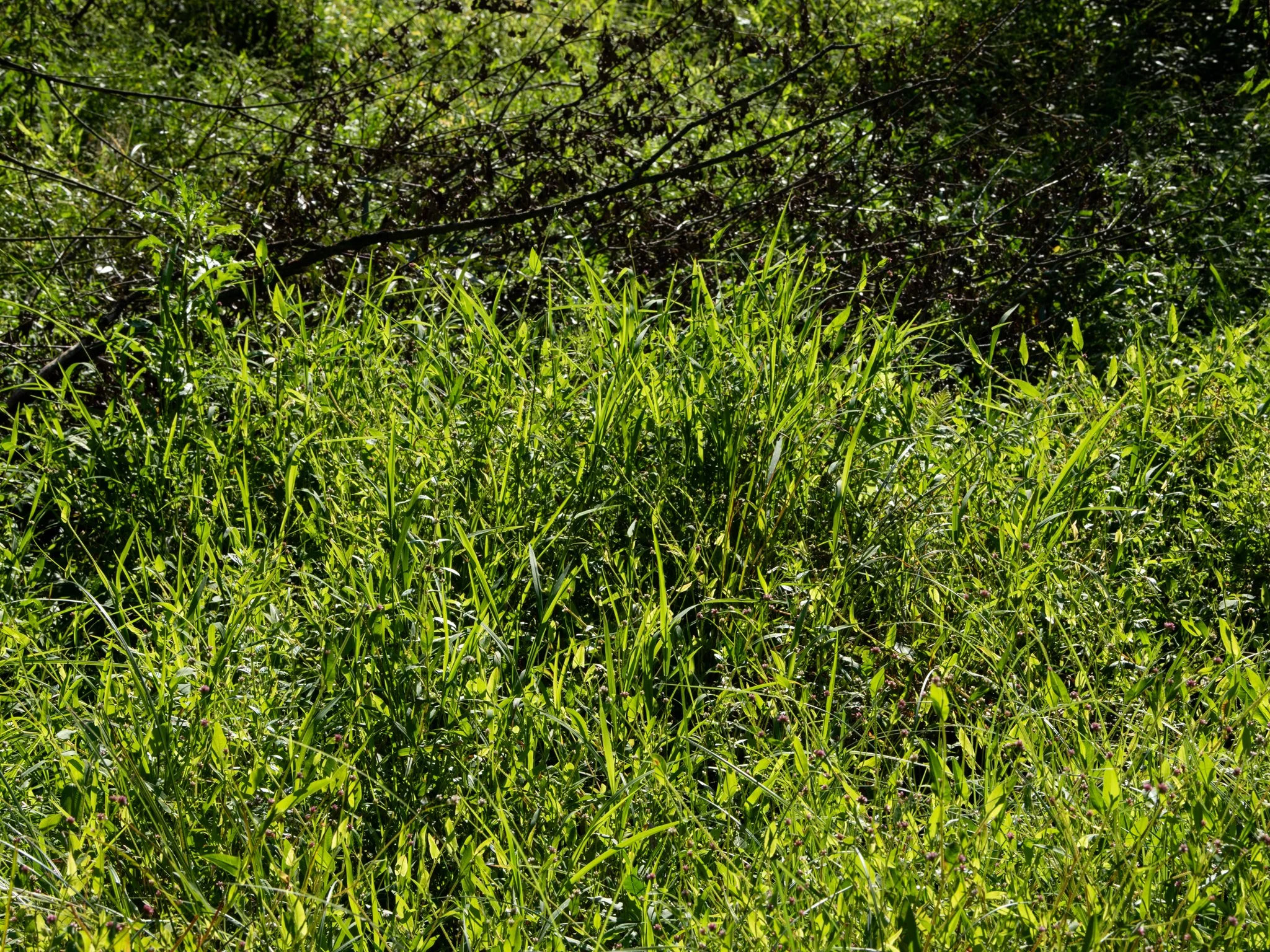
In photography, there is a distinct period before the camera is raised when the eye simply wanders across the surface of things. The sedges and grasses seemed to go on forever, a vast green wash. But as the gaze lingered, that uniform surface began to splinter into a thousand small distinctions.
Then came the true shift: the moment the ground beneath my feet began to speak.
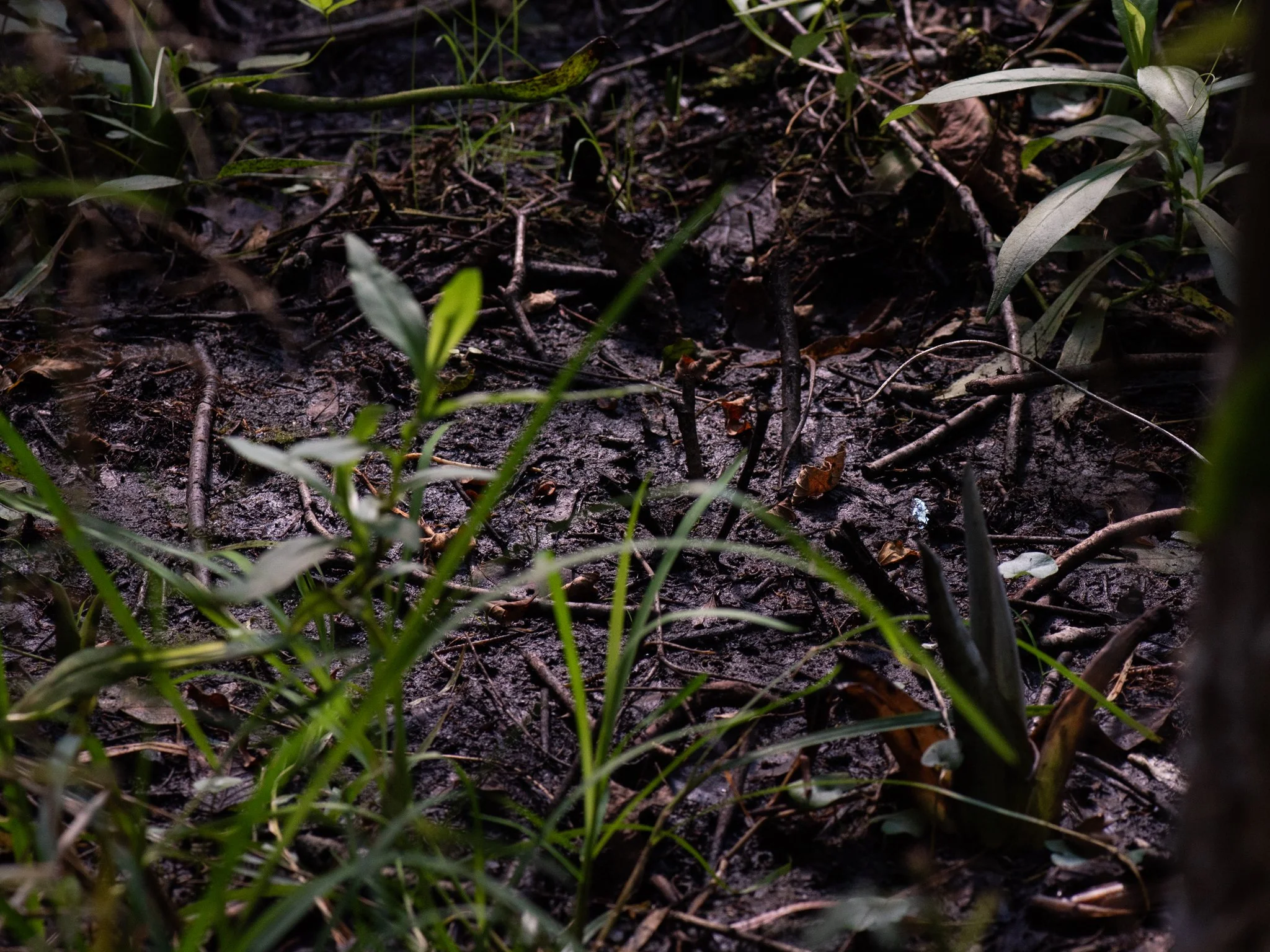
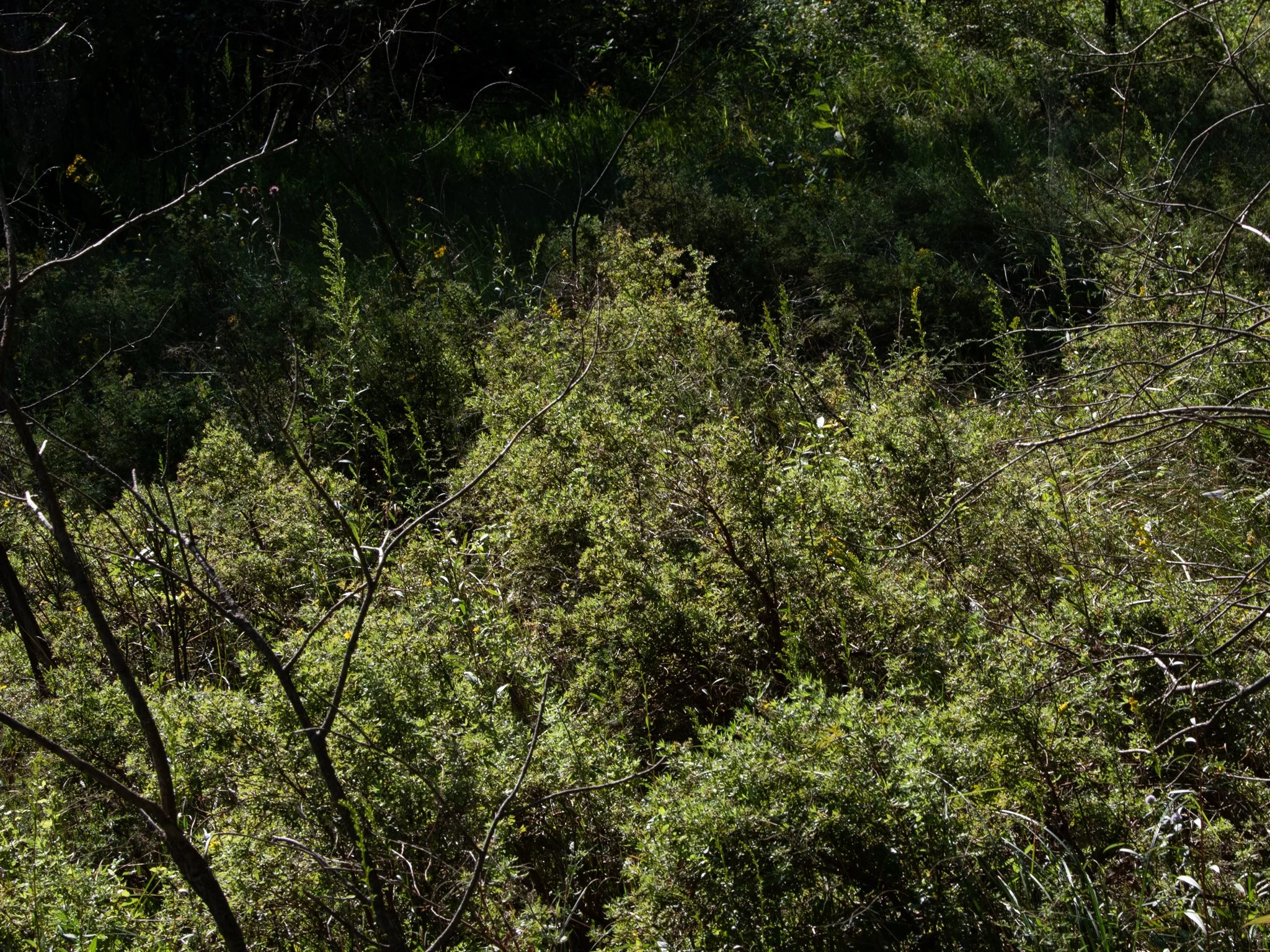
There was no soft, bouncy carpet of sphagnum moss. Instead, I was standing beside a kame. A steep mound of sand and gravel, a kame is born in the hollow of a melting glacier, rinsed by ancient meltwater, and left behind like a solitary cairn on the landscape once the great ice vanishes. The kame acts like a giant sponge. Within its depths, cold water moves under natural pressure, filtering through ancient gravel before rising to flush the surface soil with fresh minerals. It is this underground plumbing that dictates the ground above—shaping a terrain of small, raised hummocks and pale, chalky marl mud.
It was a fen, not a bog.
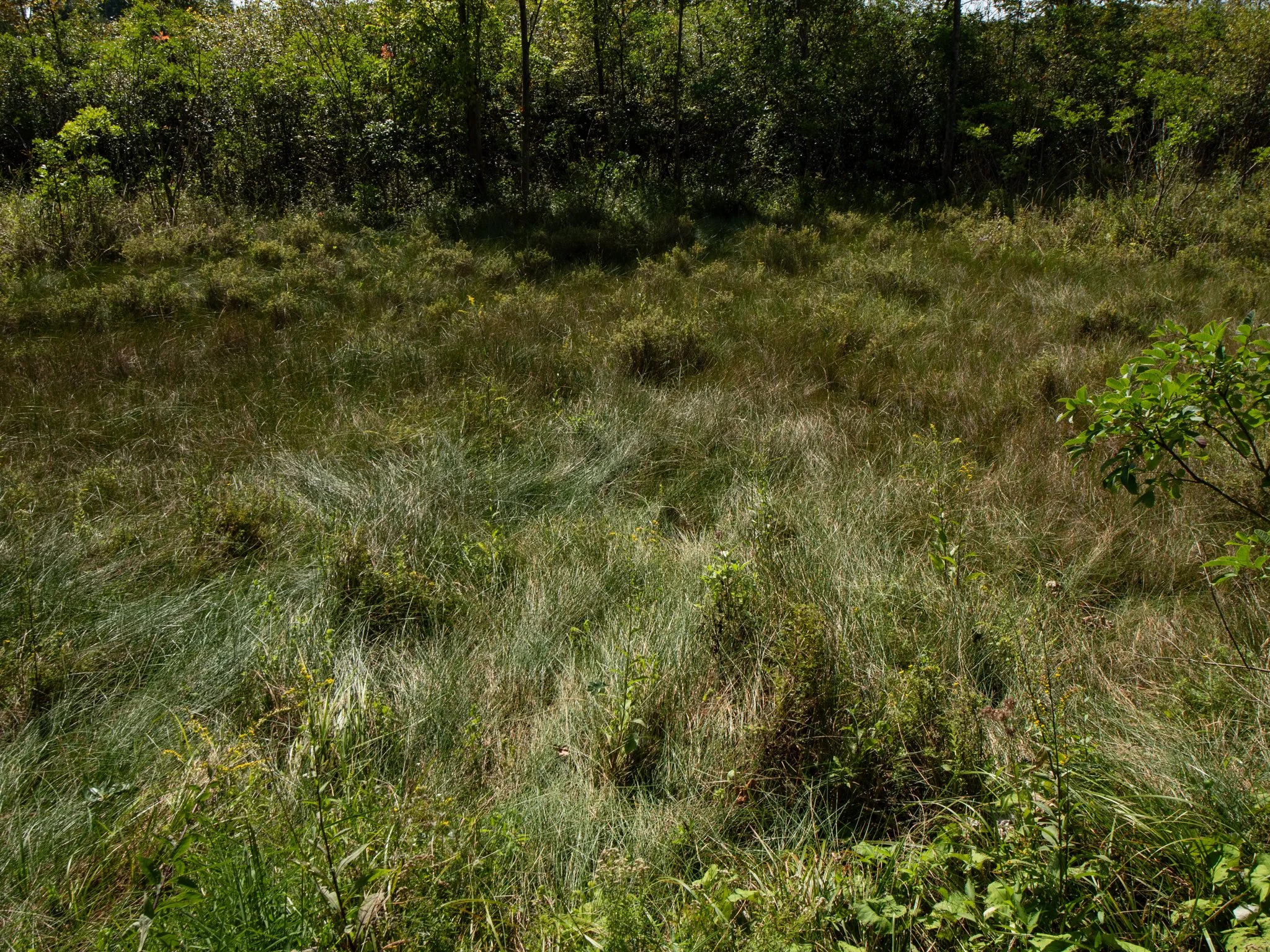
There is always a brief ache when a myth dissolves. I had come looking for the melancholy of a bog and found instead the quiet, bubbling industry of a fen.
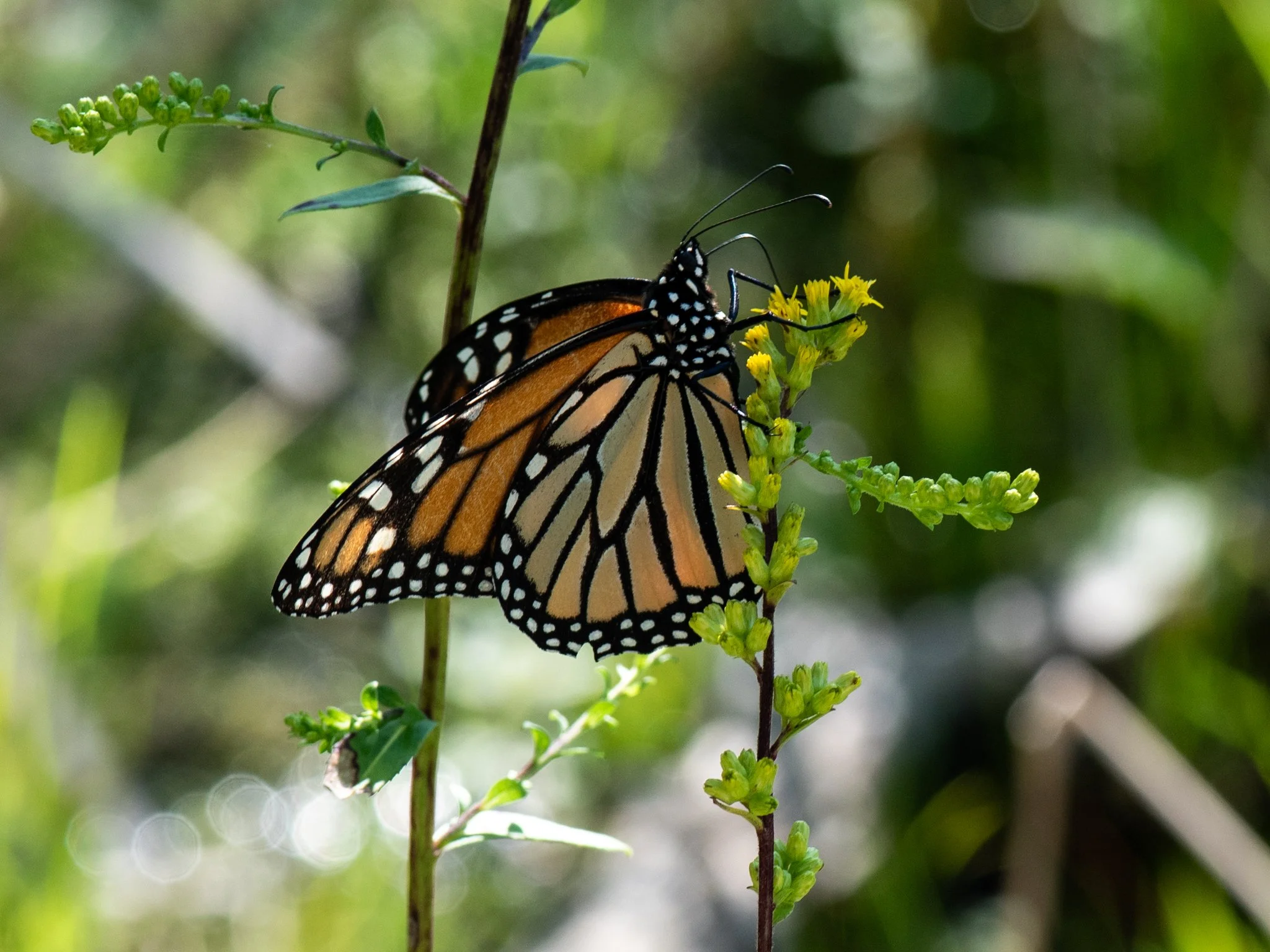
But the disappointment evaporated as soon as the lens adjusted. My camera stopped looking for a sundew or an elongated sphagnum stem. The landscape itself became the portrait. I wanted to photograph the invisible dialogue between the water moving under the earth and the roots responding to its chemistry.
This new knowledge began to guide me, letting me know what to look for. They were just baby steps in learning, vague concepts I had only recently tried to understand. But seeing it in front of me brought everything into true perspective. My mind clicked like a child who had studied for a test, suddenly finding all the right questions waiting on the page.
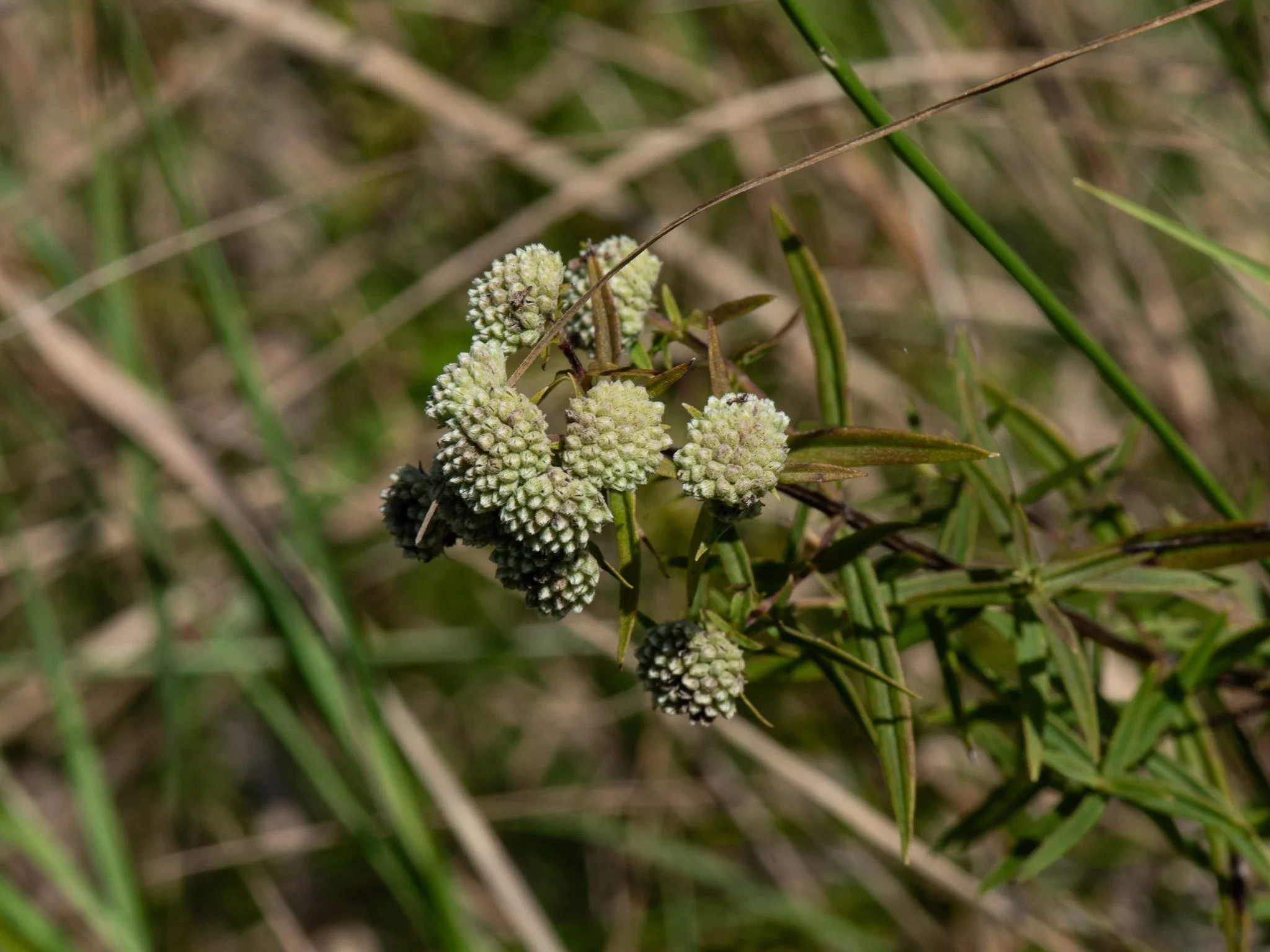
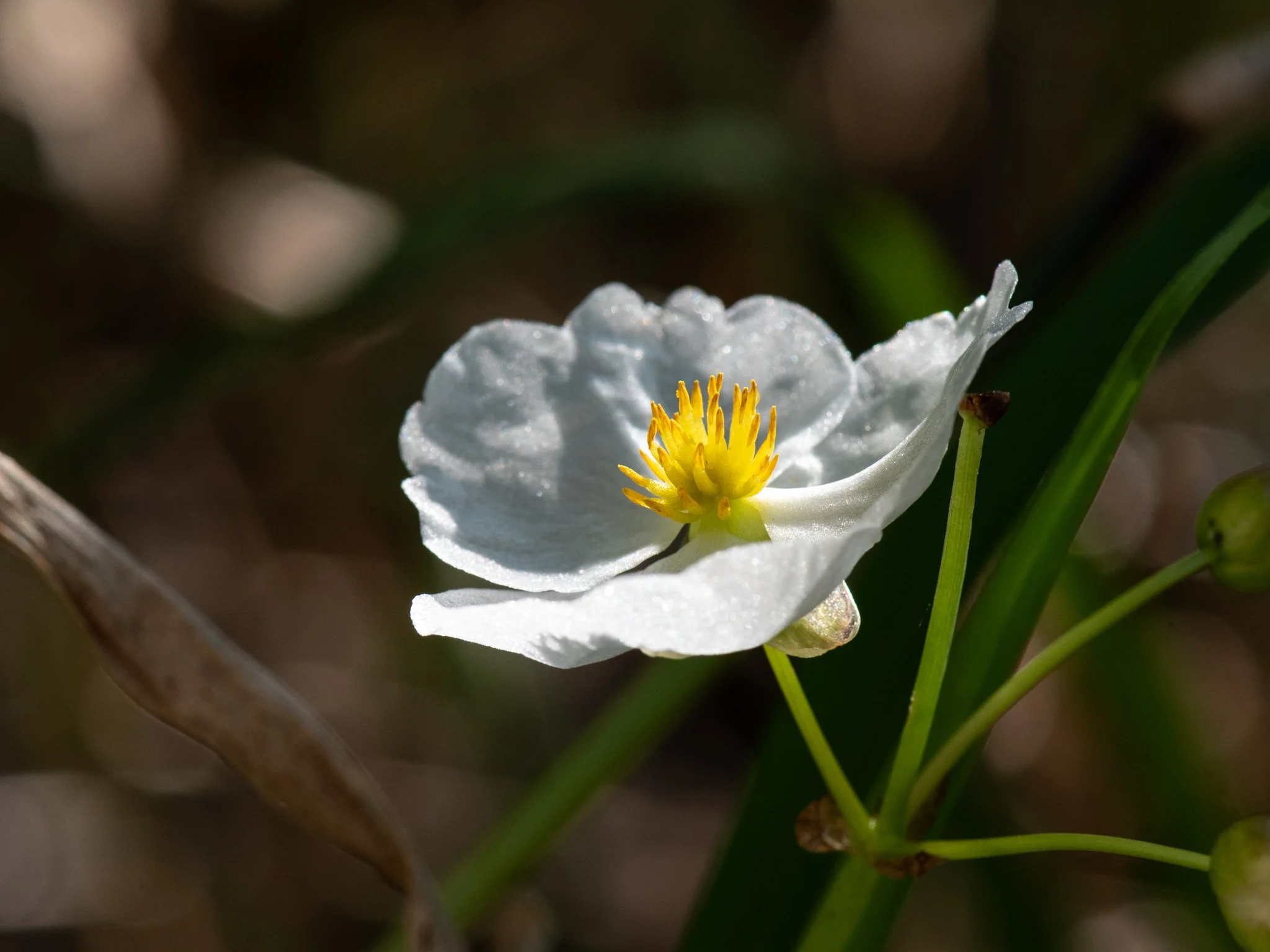
When you begin to understand the structure of a place, your sight changes. You no longer merely stumble upon things; your eye begins to anticipate them. You look into a patch of green and know what ought to be there.
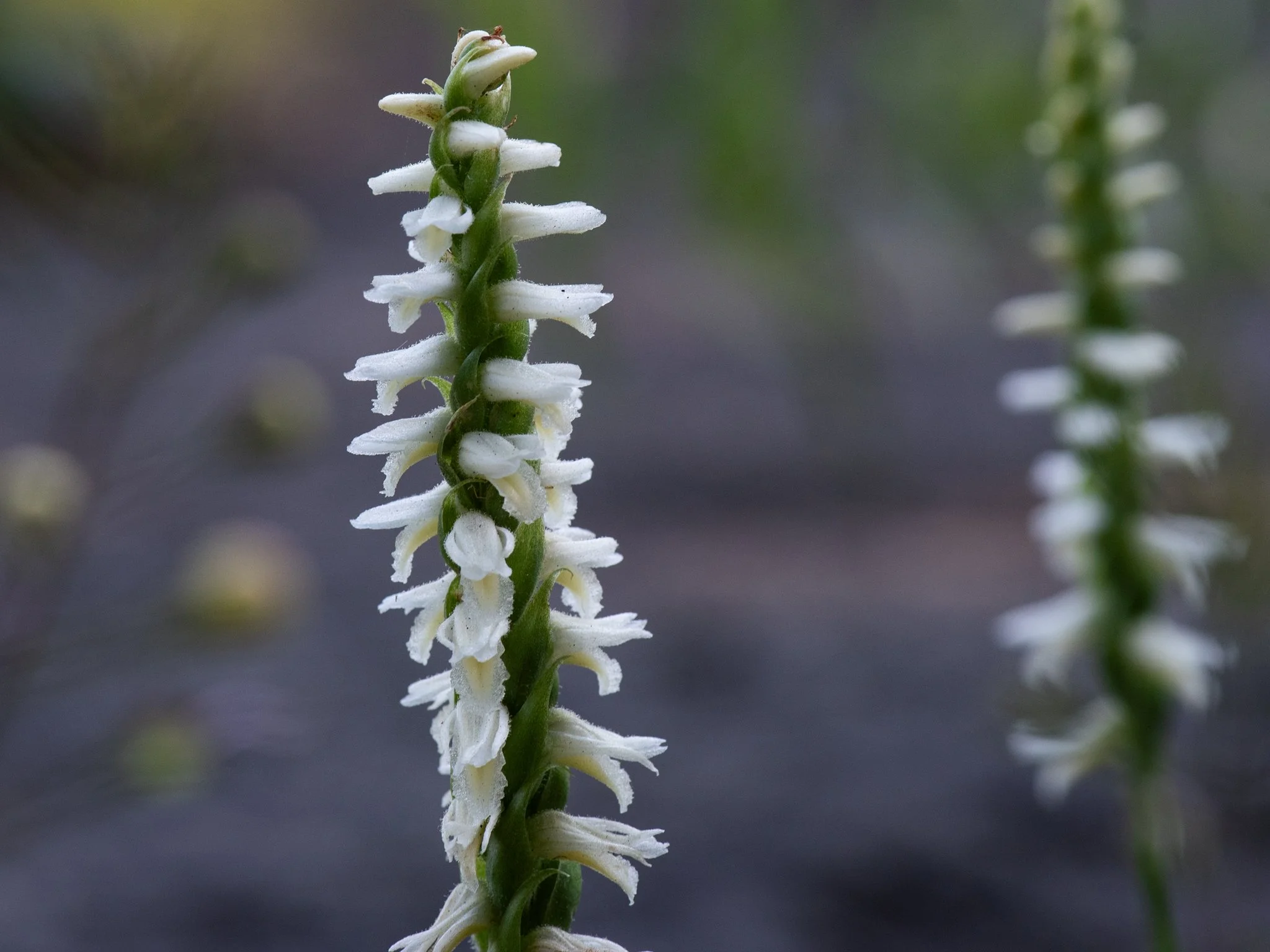
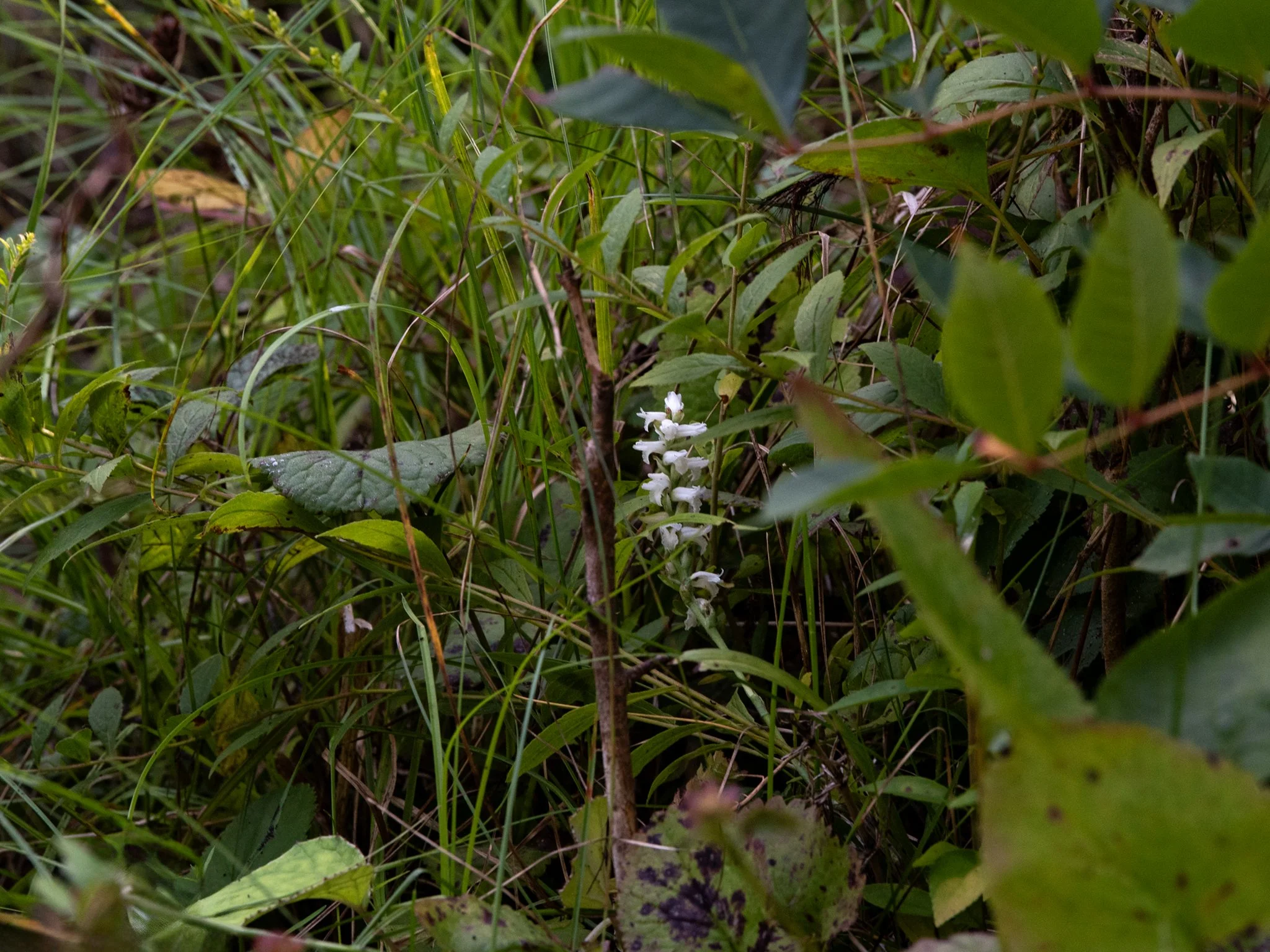
And then, nestled low in the dense tangle of sedges, it appeared: a Spiranthes orchid. Small, winding, and completely glorious.
The camera did not create that moment; it merely bore witness to it. Had I walked through that gate without learning the secret language of the kame and the fen, my eyes would have glided right past that tiny white spiral. I might have photographed it as a detached curiosity, but I would not have seen it.
To learn the names of things is not about memorizing labels. It is about acquiring the patience to let the landscape reveal its hidden life. It is learning how to see what the names make visible.